 |
|
|||||||||



| ข่าวสาร >> บทความ >> ICH |
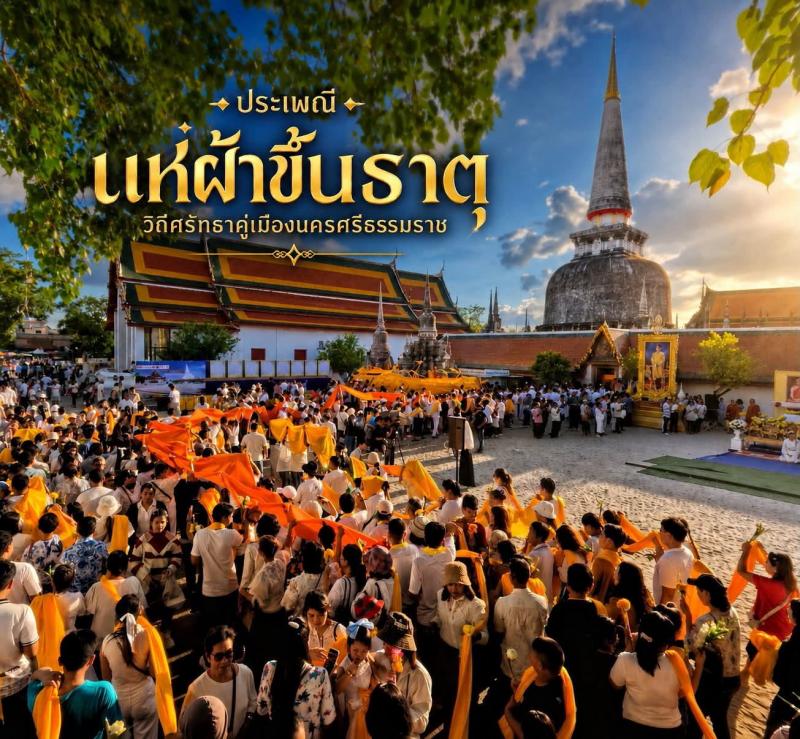
ประเพณีแห่ผ้าขึ้นธาตุ วิถีศรัทธาคู่เมืองนครศรีธรรมราช รายการที่ได้รับการขึ้นบัญชีมรดกภูมิปัญญาทางวัฒนธรรมของชาติ สาขาแนวปฏิบัติทางสังคม พิธีกรรม ประเพณี และเทศกาล เมื่อปี พ.ศ. 2557 วันที่ 3 ส.ค. 2569 |
|
ประเพณีแห่ผ้าขึ้นธาตุ เป็นประเพณีสำคัญของจังหวัดนครศรีธรรมราชที่สืบทอดมาอย่างยาวนาน และนับเป็นหนึ่งในมรดกภูมิปัญญาทางวัฒนธรรมที่สะท้อนถึงพลังแห่งศรัทธาของพุทธศาสนิกชนที่มีต่อพระบรมสารีริกธาตุซึ่งประดิษฐานอยู่ ณ องค์พระบรมธาตุเจดีย์นครศรีธรรมราช ประเพณีดังกล่าวมีรากฐานมาจากคติความเชื่อเรื่อง "ธาตุบูชา" ซึ่งได้รับอิทธิพลจากอินเดียและศรีลังกาตั้งแต่ราวพุทธศตวรรษที่ 18 โดยผู้คนร่วมกันอัญเชิญผ้าพระบฏหรือผ้าผืนยาวขึ้นห่มองค์พระบรมธาตุเจดีย์ เพื่อแสดงความเคารพและความกตัญญูกตเวทีต่อพระสัมมาสัมพุทธเจ้า ปัจจุบัน ประเพณีนี้ยังคงจัดขึ้นเป็นประจำในวันมาฆบูชาและวันวิสาขบูชา โดยมีพุทธศาสนิกชนจากทั่วประเทศเดินทางมาร่วมประกอบพิธีอย่างเนืองแน่น
ประเพณีแห่ผ้าขึ้นธาตุเป็นกิจกรรมทางวัฒนธรรมที่สะท้อนให้เห็นถึงความผูกพันระหว่างพระพุทธศาสนากับวิถีชีวิตของผู้คนในดินแดนภาคใต้มาอย่างต่อเนื่อง หลักฐานทางประวัติศาสตร์และศิลาจารึกหลายแห่งแสดงให้เห็นว่า นครศรีธรรมราชเคยเป็นศูนย์กลางสำคัญของพระพุทธศาสนาและเป็นเมืองที่มีความเจริญรุ่งเรืองมาตั้งแต่อดีต ด้วยเหตุนี้ องค์พระบรมธาตุเจดีย์นครศรีธรรมราชจึงมิได้เป็นเพียงศาสนสถานอันศักดิ์สิทธิ์ หากยังเป็นศูนย์รวมจิตใจของผู้คน และเป็นศูนย์กลางของประเพณีการบูชาพระบรมสารีริกธาตุที่สืบทอดต่อเนื่องจากรุ่นสู่รุ่น
ตามตำนานที่เล่าสืบต่อกันมา จุดกำเนิดของประเพณีแห่ผ้าขึ้นธาตุเกิดขึ้นในสมัยพระเจ้าจันทรภาณุศรีธรรมาโศกราช ราวพุทธศักราช 1700 เศษ เมื่อมีผ้าพระบฏผืนยาวซึ่งวาดภาพเกี่ยวกับพระพุทธเจ้า ลอยมาติดบริเวณชายฝั่งอำเภอปากพนัง ชาวบ้านเห็นว่าเป็นวัตถุอันศักดิ์สิทธิ์ จึงร่วมกันอัญเชิญขึ้นและนำไปถวายพระเจ้าจันทรภาณุศรีธรรมาโศกราช ณ เมืองนครศรีธรรมราช ต่อมามีกลุ่มผู้รอดชีวิตจากเหตุเรืออับปางซึ่งเดินทางมาจากดินแดนอันห่างไกลเข้าเฝ้าพระองค์ และแจ้งว่าผ้าผืนดังกล่าวคือผ้าพระบฏที่ตั้งใจอัญเชิญไปถวายเป็นพุทธบูชายังพระบรมธาตุเจดีย์ในศรีลังกา แต่ต้องประสบพายุจนเรืออับปางเสียก่อน
เมื่อถึงวันวิสาขบูชา พระเจ้าจันทรภาณุศรีธรรมาโศกราชจึงโปรดให้จัดพระราชพิธีสมโภชองค์พระบรมธาตุเจดีย์นครศรีธรรมราช พร้อมอัญเชิญผ้าพระบฏแห่แหนไปรอบเมือง ก่อนนำขึ้นห่มองค์พระบรมธาตุเจดีย์เพื่อถวายเป็นพุทธบูชา นับแต่นั้นเป็นต้นมา การแห่ผ้าพระบฏขึ้นห่มองค์พระบรมธาตุเจดีย์จึงได้รับการสืบทอดเป็นประเพณีสำคัญของชาวนครศรีธรรมราช และต่อมาได้ปรับเปลี่ยนช่วงเวลาการประกอบพิธีหลักมาเป็นวันมาฆบูชา เพื่อเอื้ออำนวยให้ประชาชนจากหัวเมืองต่าง ๆ สามารถเดินทางมาร่วมพิธีได้สะดวกยิ่งขึ้น เนื่องจากตรงกับช่วงฤดูแล้งที่การคมนาคมสะดวกกว่าในช่วงวันวิสาขบูชา
แม้ว่าปัจจุบันประเพณีแห่ผ้าขึ้นธาตุจะมีการประกอบพิธีในหลายโอกาสตลอดทั้งปี แต่วันมาฆบูชาและวันวิสาขบูชายังคงเป็นช่วงเวลาที่มีความสำคัญที่สุด โดยพุทธศาสนิกชนจะร่วมกันจัดขบวนอัญเชิญผ้าพระบฏหรือผ้าขึ้นธาตุไปห่มองค์พระบรมธาตุเจดีย์นครศรีธรรมราช เพื่อความเป็นสิริมงคลแก่ชีวิตและครอบครัว ประเพณีดังกล่าวจึงมิได้เป็นเพียงพิธีกรรมทางศาสนา หากยังเป็นสัญลักษณ์ของความศรัทธา ความสามัคคี และอัตลักษณ์ทางวัฒนธรรมของชาวนครศรีธรรมราชที่ได้รับการสืบทอดอย่างต่อเนื่อง จนได้รับการขึ้นทะเบียนเป็นมรดกภูมิปัญญาทางวัฒนธรรมของชาติ เมื่อปี พ.ศ. 2557 ในสาขาแนวปฏิบัติทางสังคม พิธีกรรม ประเพณี และเทศกาล อันเป็นการยืนยันถึงคุณค่าและความสำคัญของประเพณีที่ยังคงดำรงอยู่ในสังคมไทยมาจนถึงปัจจุบัน
และเมื่อวันที่ 25 กรกฎาคม 2569 ที่ผ่านมา นับเป็นความภาคภูมิใจของชาวไทยเป็นอย่างยิ่ง ที่ประชุมคณะกรรมการมรดกโลกสมัยสามัญ ครั้งที่ 48 ณ เมืองปูซาน สาธารณรัฐเกาหลี มีมติให้ขึ้นทะเบียน "วัดพระมหาธาตุวรมหาวิหาร จังหวัดนครศรีธรรมราช” เป็นมรดกโลก ภายใต้อนุสัญญาว่าด้วยการคุ้มครองมรดกโลกทางวัฒนธรรมและทางธรรมชาติ ค.ศ. 1972 (1972 Convention Concerning the Protection of the World Cultural and Natural Heritage) หรือ "อนุสัญญาคุ้มครองมรดกโลก” ขององค์การการศึกษา วิทยาศาสตร์ และวัฒนธรรมแห่งสหประชาชาติ (UNESCO)
"วัดพระมหาธาตุวรมหาวิหาร จังหวัดนครศรีธรรมราช” เป็นแหล่งมรดกโลกลำดับที่ 9 ของไทย โดยก่อนหน้านี้ ไทยมีแหล่งมรดกโลกที่ได้รับการขึ้นทะเบียนแล้ว 8 แหล่ง ได้แก่ เมืองประวัติศาสตร์สุโขทัยและเมืองบริวาร, นครประวัติศาสตร์พระนครศรีอยุธยา, เขตรักษาพันธุ์สัตว์ป่าทุ่งใหญ่นเรศวร-ห้วยขาแข้ง, แหล่งโบราณคดีบ้านเชียง, ผืนป่าดงพญาเย็น-เขาใหญ่, กลุ่มป่าแก่งกระจาน, เมืองโบราณศรีเทพและโบราณสถานสมัยทวารวดีที่เกี่ยวข้อง และภูพระบาท ประจักษ์พยานแห่งวัฒนธรรมสีมาสมัยทวารวดี
Hae Pha Khuen That Festival: A Sacred Tradition of Faith in Nakhon Si ThammaratAn element inscribed on Thailand’s National Intangible Cultural Heritage List in 2014 under the category of Social Practices, Rituals and Festive Events
Hae Pha Khuen That Festival (Cloth Procession to the Sacred Relic Stupa) is one of the most significant cultural and religious traditions of Nakhon Si Thammarat Province in southern Thailand. Deeply rooted in Buddhist faith, the festival reflects the enduring devotion of local communities to the Buddha's Sacred Relics, which are enshrined within the Phra Borommathat Chedi (14-metre-high bell-shaped Ceylonese pagoda) of Nakhon Si Thammarat. The tradition is believed to have evolved from the Buddhist practice of relic veneration, a belief that spread from India and Sri Lanka to the region around the 18th Buddhist century. During the festival, devotees ceremonially carry long sacred cloths, known as Phra Bot, to be wrapped around the revered stupa as an act of homage and gratitude to the Lord Buddha. Today, the festival continues to be observed annually, particularly on Makha Bucha Day and Visakha Bucha Day, attracting pilgrims and visitors from across Thailand.
The Hae Pha Khuen That Festival is a cultural activity that represents the close relationship between Buddhism and the way of life of the people of southern Thailand. Historical records and inscriptions indicate that Nakhon Si Thammarat was once an important centre of Buddhism and a prosperous city from ancient times. Consequently, the Phra Borommathat Chedi of Nakhon Si Thammarat has long served not only as a sacred religious monument but also as a spiritual centre where generations of devotees have gathered to express their faith and preserve their cultural identity.
According to local legend, the origins of the Hae Pha Khuen That Festival date back to the reign of King Chandrabhanu Sri Dhammaraja around the 13th century Common Era (CE). It is said that a long Phra Bot drifted at Pak Phanang district ashore, where local villagers regarded it as a sacred object and respectfully presented it to the king in Nakhon Si Thammarat. Later, a group of survivors from a shipwreck arrived and explained that the cloth was the Phra Bot they had intended to present as an offering at the sacred stupa in Sri Lanka. However, their vessel had been caught in a storm before reaching its destination.
On Visakha Bucha Day, King Chandrabhanu Sri Dhammaraja ordered a grand religious ceremony to celebrate the Phra Borommathat Chedi of Nakhon Si Thammarat. The Phra Bot was carried in a ceremonial procession around the city before being wrapped around the sacred stupa as an offering to the Buddha. From that time onward, the procession of the Phra Bot to the stupa has been preserved as an important tradition of the Nakhon Si Thammarat citizens. The principal ceremony was later moved from Visakha Bucha Day to Makha Bucha Day to allow people from different towns and cities to travel more conveniently, as Makha Bucha falls during the dry season, when travel is easier than during the rainy season associated with Visakha Bucha Day.
Although the Hae Pha Khuen That Festival is observed on several occasions throughout the year, Makha Bucha Day and Visakha Bucha Day remain the most important occasions for the celebration. On these occasions, Buddhist devotees join together in a ceremonial procession carrying the Phra Bot to be wrapped around the Phra Borommathat Chedi of Nakhon Si Thammarat, believing that the act brings blessings and good fortune to themselves and their families. More than a religious ceremony, the festival is a symbol of faith, unity, and the cultural identity of the Nakhon Si Thammarat citizens, preserved and passed down from generation to generation. In 2014, the Hae Pha Khuen That Festival was inscribed on Thailand's National Intangible Cultural Heritage List under the category of Social Practices, Rituals and Festive Events. This recognition reflects the value and significance of the festival, which continues to be practised and preserved as a living part of Thai society today.
On 25 July 2026, Thailand marked a moment of great national pride when the 48th session of the World Heritage Committee, held in Busan, Republic of Korea, decided to inscribe Wat Phra Mahathat Woramahawihan, Nakhon Si Thammarat , on the UNESCO World Heritage List under the 1972 Convention Concerning the Protection of the World Cultural and Natural Heritage, also known as the World Heritage Convention, of the United Nations Educational, Scientific and Cultural Organization (UNESCO). "Wat Phra Mahathat Woramahawihan, Nakhon Si Thammarat,” marks Thailand’s ninth World Heritage Site. The eight previously inscribed World Heritage Sites of Thailand are: Historic Town of Sukhothai and Associated Historic Towns, Historic City of Ayutthaya, Thungyai-Huai Kha Khaeng Wildlife Sanctuaries, Ban Chiang Archaeological Site, Dong Phayayen-Khao Yai Forest Complex, Kaeng Krachan Forest Complex, The Ancient Town of Si Thep and its Associated Dvaravati Monuments and Phu Phrabat, a testimony to the Sīma stone tradition of the Dvaravati period. |
|
||
| ลิขสิทธิ์ของ กรมส่งเสริมวัฒนธรรม กระทรวงวัฒนธรรม สำหรับใช้ประโยชน์เพื่อเผยแพร่ศิลปวัฒนธรรมและการศึกษา |
| นโยบายเว็บไซต์ | นโยบายการคุ้มครองข้อมูลส่วนบุคคล | นโยบายการรักษาความมั่นคงปลอดภัยของเว็บไซต์ | การปฏิเสธความรับผิด (Disclaimer) |