 |
|
|||||||||



| ข่าวสาร >> บทความ >> ICH |
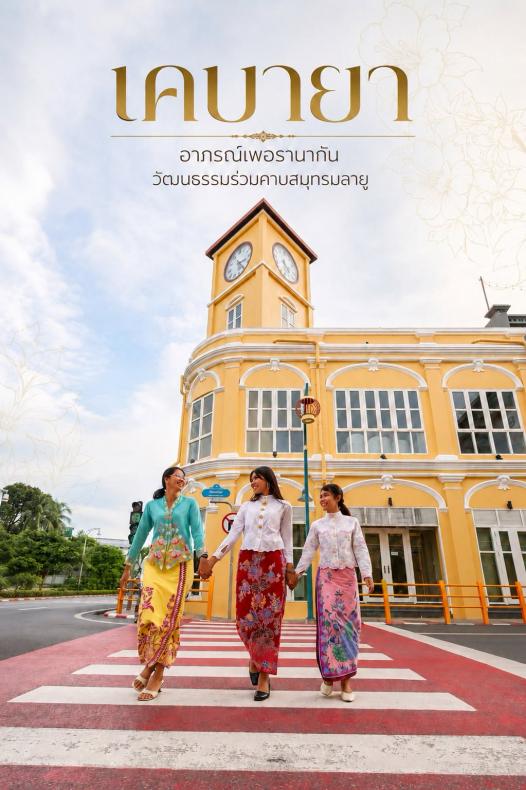
เคบายา… อาภรณ์เพอรานากัน วัฒนธรรมร่วมคาบสมุทรมลายู วันที่ 16 ก.ค. 2569 |
|
เสื้อเคบายา คือ เครื่องแต่งกายของสตรีชาวบาบ๋า หรือเพอรานากัน ซึ่งเป็นลูกหลานของชาวจีนอพยพและแต่งงานกับคนพื้นเมืองในแถบภาคใต้ชายฝั่งตะวันตกของประเทศไทย ได้แก่ สตูล ตรัง กระบี่ พังงา ระนอง และภูเก็ต มีรูปแบบมาจากวัฒนธรรมการแต่งกายของชาวมลายูดั้งเดิม โดยปรับให้เน้นทรวดทรงและลดความยาวตัวเสื้อให้อยู่เหนือสะโพก ตกแต่งด้วยผ้าลูกไม้หรือเทคนิคการฉลุผ้าแบบตะวันตก ปักลวดลายมงคลตามคตินิยมจีน
ลักษณะของตัวเสื้อจะทิ้งชายเสื้อด้านหน้าให้มีปลายแหลม ปลายเสื้อด้านหลังอยู่ระดับสะโพก นิยมตัดเย็บเป็นคอวี หรือมีระบายบริเวณคอเสื้อยาวตลอดจนถึงริมเสื้อด้านล่าง ปลายแขนยาวระดับข้อมือ สาบเสื้อไม่มีกระดุม ใช้เข็มกลัดติดแทน
นอกจากที่เป็นเสื้อคอวีแล้ว ยังมีเสื้อคอตั้งแขนจีบ เสื้ออาจ้อ (เสื้อคอกลม) เสื้อลูกไม้ต่อดอก และเสื้อที่สวมใส่ในงานประเพณีและวาระสำคัญ อย่างเช่น ชุดครุยยาว ครุยสั้น และครุยเจ้าสาว
เสื้อเคบายาน่าจะเป็นที่คุ้นตาของชาวอาเซียนหลายประเทศในคาบสมุทรมลายู เพราะเป็นเครื่องแต่งกายที่แพร่หลายอยู่ในแถบนี้ มีรูปแบบเหมือนกัน คือ การใส่เสื้อที่ตัดเย็บจากผ้าเนื้อบาง เช่น ผ้าฝ้าย ผ้าลูกไม้ ตกแต่งด้วยลายปักใส่คู่กับท่อนล่างที่เป็นผ้าถุงปาเต๊ะ จากอินโดนีเซีย มีรายละเอียดที่แตกต่างกันในแต่ละชนชาติ
"เคบายา” (Kebaya) เป็นรายการตัวแทนมรดกวัฒนธรรมที่จับต้องไม่ได้ของมนุษยชาติ (Representative List of the Intangible Cultural Heritage of Humanity: RL) ประจำปี พ.ศ. 2567 ขององค์การยูเนสโก (UNESCO) ซึ่งได้รับการขึ้นทะเบียนจากการเสนอร่วมของ 5 ประเทศ ได้แก่ ประเทศไทย บรูไนดารุสซาลาม อินโดนีเซีย มาเลเซีย และสิงคโปร์ ภายใต้ชื่อ "Kebaya: knowledge, skills, traditions and practices” หรือ "เคบายา: ความรู้ ทักษะ ประเพณี และการปฏิบัติ” การขึ้นทะเบียนร่วมครั้งนี้สะท้อนให้เห็นว่าเคบายาเป็นวัฒนธรรมการแต่งกายของสตรีที่มีความประณีต งดงาม สะท้อนถึงประวัติศาสตร์และประเพณีร่วมของผู้คน อีกทั้งยังเป็นสายใยที่เชื่อมโยงชุมชนที่มีความหลากหลายทางวัฒนธรรม และมีส่วนส่งเสริมสันติภาพและความสมานฉันท์ในภูมิภาค
Kebaya… The Peranakan Costume, Shared Culture of Malay Peninsula
Kebaya is the clothing of Baba or Peranakan women. They are the descendants of Chinese immigrants who married natives in the southern region and the west coast of Thailand including Satun, Trang, Krabi, Phang Nga, Ranong, and Phuket. It is modeled after the traditional Malay dress culture with the adjustment to emphasize the figure and the reduction of its length to be above the hips, decoration with lace or Western-style fabric stencil techniques, and embroidery with auspicious patterns according to Chinese traditions.
Characteristics of Kebaya are the front hem of the shirt with a pointed end and the back end of the shirt at hip level. It is usually sewn into a V-neck or with ruffles around the collar that extends all the way to the bottom edge of the shirt. The cuffs are wrist length. The placket is buttonless but a brooch is rather used.
Forms of Kebaya are not only V-neck shirts but also stand-neck shirts with pleated sleeves, A-Cho shirts (round-neck shirts), lace-and-floral shirts, and shirts worn at traditional ceremonies and important occasions, such as long gowns, short gowns, and bridal gowns.
Kebaya is probably familiar to many ASEAN people in the Malay Peninsula because it is a widespread clothing item in this area. It is the same format, i.e. wearing shirts made from thin fabrics such as cotton and lace, being decorated with embroidery, and wearing with the bottom part which is a Batik sarong, (locally known as Pateh) from Indonesia, which has different details for each nation.
"Kebaya” was inscribed on UNESCO’s Representative List of the Intangible Cultural Heritage of Humanity (RL) in 2024 through a multinational nomination submitted jointly by Thailand, Brunei Darussalam, Indonesia, Malaysia, and Singapore under the title "Kebaya: knowledge, skills, traditions and practices.” This joint inscription recognizes Kebaya as a refined and elegant tradition of women's attire that reflects the shared history and cultural traditions of the region's peoples. More importantly, it serves as a cultural link among diverse communities, fostering mutual understanding, peace, and harmony throughout the region. |
|
||
| ลิขสิทธิ์ของ กรมส่งเสริมวัฒนธรรม กระทรวงวัฒนธรรม สำหรับใช้ประโยชน์เพื่อเผยแพร่ศิลปวัฒนธรรมและการศึกษา |
| นโยบายเว็บไซต์ | นโยบายการคุ้มครองข้อมูลส่วนบุคคล | นโยบายการรักษาความมั่นคงปลอดภัยของเว็บไซต์ | การปฏิเสธความรับผิด (Disclaimer) |