 |
|
|||||||||



| ข่าวสาร >> บทความ >> ICH |
ตำนานชาละวัน : นิทานสะท้อนความเชื่อเรื่องจระเข้ในสังคมไทยภาคกลาง รายการที่ได้รับการขึ้นบัญชีมรดกภูมิปัญญาทางวัฒนธรรมของชาติ สาขาวรรณกรรมพื้นบ้านและภาษาเมื่อปี พ.ศ. 2557 วันที่ 3 ก.ค. 2569 |
|
ตำนานชาละวันเป็นหนึ่งในนิทานประจำถิ่นที่มีชื่อเสียงของภาคกลาง และเป็นส่วนหนึ่งของกลุ่มนิทานที่เกี่ยวข้องกับ "จระเข้” ซึ่งปรากฏทั้งในรูปแบบนิทานประจำถิ่น (legends) และนิทานชีวิต (romantic tales) โดยนิทานประจำถิ่นที่สำคัญ ได้แก่ ตำนานชาละวัน จังหวัดพิจิตร ตำนานไกรทอง จังหวัดนนทบุรี และตำนานท้าวพันตา - พญาพันวัง จังหวัดนครนายก ขณะที่นิทานชีวิต ได้แก่ เรื่องท้าวแสนตาและพญาพันวัง เรื่องเล่าเหล่านี้มีความสัมพันธ์และเชื่อมโยงกันจนกลายเป็นมรดกทางวัฒนธรรมที่สะท้อนวิถีชีวิต ความเชื่อ และความผูกพันของผู้คนในลุ่มแม่น้ำเจ้าพระยาได้อย่างเด่นชัด
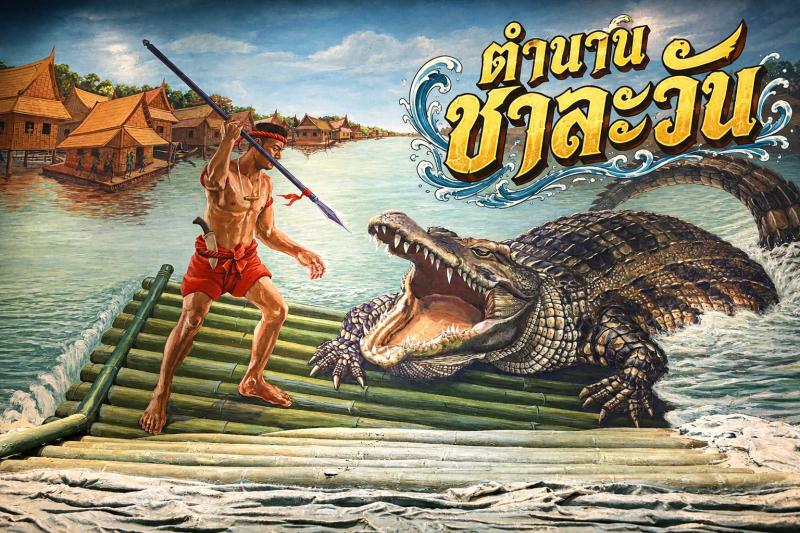
ตำนานชาละวันเล่าถึงจระเข้ยักษ์ที่มีต้นกำเนิดจากไข่จระเข้ซึ่งสองตายายเก็บมาเลี้ยงด้วยความเมตตา แต่เมื่อเติบใหญ่กลับกลายเป็นจระเข้ดุร้าย กัดกินผู้คน และสร้างความหวาดกลัวให้แก่ชาวเมืองพิจิตร จนวันหนึ่งได้คาบลูกสาวของเศรษฐีผู้หนึ่งหายลงแม่น้ำไป เศรษฐีผู้สูญเสียบุตรสาวจึงประกาศหาผู้ปราบจระเข้ และในเวลาต่อมานายไกร ศิษย์เอกของหมอจระเข้ ได้อาสาปราบชาละวันด้วยอาคมและอาวุธศักดิ์สิทธิ์ แม้ว่าบางสำนวนจะกล่าวว่าไกรทองสามารถสังหารชาละวันได้สำเร็จ ขณะที่บางสำนวนมิได้กล่าวถึงจุดจบของชาละวัน แต่เรื่องเล่าทั้งหมดล้วนเชื่อมโยงกับสถานที่สำคัญในจังหวัดพิจิตร เช่น ถ้ำชาละวัน ดงชาละวัน และศาลตายาย อันเป็นหลักฐานทางวัฒนธรรมที่สะท้อนการสืบทอดความทรงจำและความเชื่อของคนในท้องถิ่น
นอกจากตำนานชาละวันแล้ว ตำนานไกรทองและตำนานท้าวพันตา–พญาพันวังยังมีบทบาทสำคัญในการขยายโลกของเรื่องเล่าเกี่ยวกับจระเข้ในภาคกลาง ตำนานไกรทองกล่าวถึงหมอจระเข้ผู้มีวิชาอาคมจากอำเภอบางกรวย จังหวัดนนทบุรี ซึ่งได้รับการยกย่องให้เป็นวีรบุรุษผู้ปราบชาละวัน ส่วนตำนานท้าวพันตา–พญาพันวังบอกเล่าการต่อสู้ระหว่างจระเข้ผู้ปกครองลุ่มน้ำทางเหนือและทางใต้ อันสะท้อนความเชื่อเกี่ยวกับอำนาจเหนือธรรมชาติ เทวดาผู้พิทักษ์ และพิธีกรรมบูชาจระเข้ ภายหลังเรื่องเล่าทั้งสามได้ถูกผนวกรวมเข้าเป็นบทละครนอกเรื่อง ไกรทอง ทำให้ตำนานแต่ละท้องถิ่นเชื่อมโยงกันเป็นเครือข่ายวัฒนธรรมของผู้คนตลอดลุ่มแม่น้ำเจ้าพระยา ตั้งแต่จังหวัดพิจิตร นนทบุรี จนถึงพื้นที่ปากอ่าวไทย
ตำนานชาละวันและนิทานที่เกี่ยวข้องมิได้เป็นเพียงเรื่องเล่าเพื่อความบันเทิง หากยังสะท้อนโลกทัศน์และความเชื่อของสังคมไทยภาคกลางที่มีต่อจระเข้ในฐานะสัตว์ศักดิ์สิทธิ์ ผู้พิทักษ์ลำน้ำ และบริวารของเจ้าพ่อเจ้าแม่ประจำท้องถิ่น ซึ่งยังปรากฏร่องรอยผ่านศาลเจ้าพ่อ ศาลจระเข้ และสถานที่สำคัญในหลายพื้นที่ นอกจากนี้ ความเชื่อที่ว่าผู้ไม่รู้จักการให้ทานจะต้องไปเกิดเป็นจระเข้เฝ้าขุมทรัพย์ ยังสะท้อนอิทธิพลของคติความเชื่อทางพระพุทธศาสนาที่ผสานเข้ากับคติชนพื้นบ้านอย่างแนบแน่น ส่งผลให้ตำนานชาละวันมิได้เป็นเพียงมรดกทางวรรณกรรม หากยังเป็นภาพสะท้อนคุณค่าทางสังคม วัฒนธรรม และภูมิปัญญาของผู้คนในลุ่มแม่น้ำเจ้าพระยาที่สืบทอดมาจนถึงปัจจุบัน
The Legend of Chalawan: A Folktale Reflecting Cultural Beliefs about Crocodiles in Central Thailand
An element inscribed on Thailand’s National Intangible Cultural Heritage List in 2014 under the category of Folk Literature and Languages
The Legend of Chalawan (crocodile spirit from the Thai folktale Kraithong) is one of the most well-known folktales of Central Thailand and forms part of a broader body of narratives concerning "crocodiles” in the region. These stories exist in the forms of local legends and romantic tales. The principal local legends include the Legend of Chalawan from Phichit Province, the Legend of Kraithong from Nonthaburi Province, and the Legend of Thao Panta - Phaya Panwang from Nakhon Nayok Province, while the romantic tales comprise the stories of Thao Saen Ta and Phaya Panwang. Together, these narratives constitute an important body of cultural heritage that reflects the beliefs, ways of life, and close relationship between local communities and the Chao Phraya River Basin.
The Legend of Chalawan recounts the story of a giant crocodile that originated from an egg discovered and compassionately raised by an elderly couple. As the crocodile matured, however, it became increasingly ferocious, attacking local inhabitants and spreading fear throughout Phichit Province. One day, after a wealthy man’s daughter was abducted by a crocodile, he announced a reward for anyone who could defeat the creature. Eventually, Krai (the foremost disciple of a renowned crocodile master) volunteered to confront Chalawan using mystic arts and a magical spear. Some versions of the legend state that Kraithong successfully killed Chalawan, while others leave the crocodile's fate unresolved. Nevertheless, all versions of the story remain closely associated with numerous cultural landmarks in Phichit Province, including Chalawan Cave, Dong Chalawan, and the shrine dedicated to the elderly couple, all of which continue to preserve the collective memory and local beliefs surrounding the legendary crocodile.
In addition to the Legend of Chalawan, the legends of Kraithong and Thao Panta - Phaya Panwang further enrich the cultural landscape of crocodile folklore in Central Thailand. The Legend of Kraithong celebrates a crocodile hunter from Bang Kruai, Nonthaburi Province, who came to be revered as the hero who subdued Chalawan. Meanwhile, the Legend of Thao Panta - Phaya Panwang recounts the conflicts among powerful crocodile rulers of the Chao Phraya River Basin, reflecting beliefs in supernatural power, guardian deities, and ritual traditions of crocodile worship. In later periods, these three legends were woven together in the classical Lakorn Nok (play performed by all male) Kraithong, creating a unified narrative that illustrates the historical and cultural connections among communities from the upper reaches of the Chao Phraya River in Phichit Province, through Nonthaburi Province in the central basin, to the lower reaches near the Gulf of Thailand.
More than entertaining folktales, these legends offer valuable insights into the worldview and belief systems of people in Central Thailand. In these narratives, crocodiles are portrayed not merely as fearsome creatures but also as sacred beings, guardians of waterways, and attendants of local guardian spirits. Such beliefs continue to be reflected in crocodile shrines, sacred sites, and community traditions found throughout the region. Moreover, the belief that those who refuse to practise generosity will be reborn as crocodiles guarding hidden treasures demonstrates the close integration of Buddhist moral teachings with local folklore. Consequently, the Legend of Chalawan represents not only an important literary tradition but also a significant cultural heritage that embodies the social values, spiritual beliefs, and traditional wisdom of communities living along the Chao Phraya River that has been transmitted from generation to generation to the present day. |
|
||
| ลิขสิทธิ์ของ กรมส่งเสริมวัฒนธรรม กระทรวงวัฒนธรรม สำหรับใช้ประโยชน์เพื่อเผยแพร่ศิลปวัฒนธรรมและการศึกษา |
| นโยบายเว็บไซต์ | นโยบายการคุ้มครองข้อมูลส่วนบุคคล | นโยบายการรักษาความมั่นคงปลอดภัยของเว็บไซต์ | การปฏิเสธความรับผิด (Disclaimer) |