 |
|
|||||||||



| ข่าวสาร >> บทความ >> ICH |
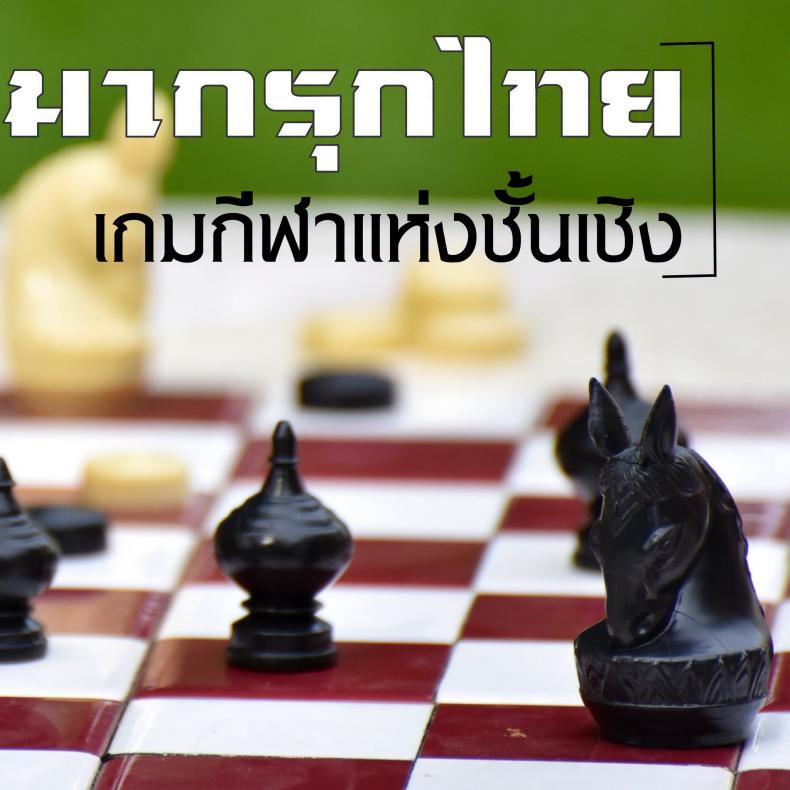
หมากรุกไทย เกมกีฬาแห่งชั้นเชิง รายการที่ได้รับการขึ้นบัญชีมรดกภูมิปัญญาทางวัฒนธรรมของชาติ สาขาการเล่นพื้นบ้าน กีฬาพื้นบ้านและศิลปะการต่อสู้ป้องกันตัว เมื่อปี พ.ศ. 2555 วันที่ 25 มิ.ย. 2569 |
|
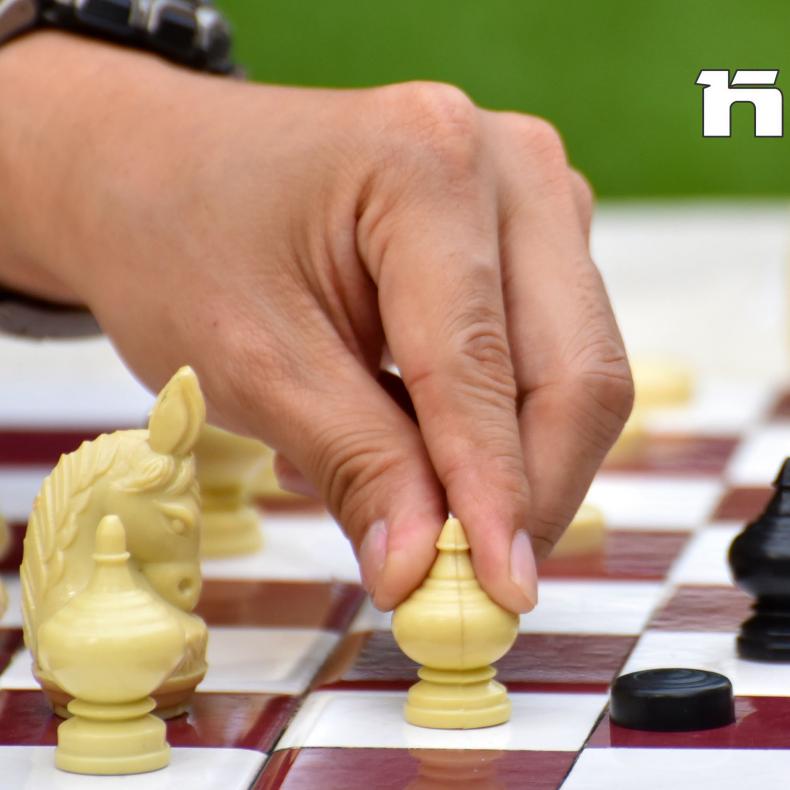
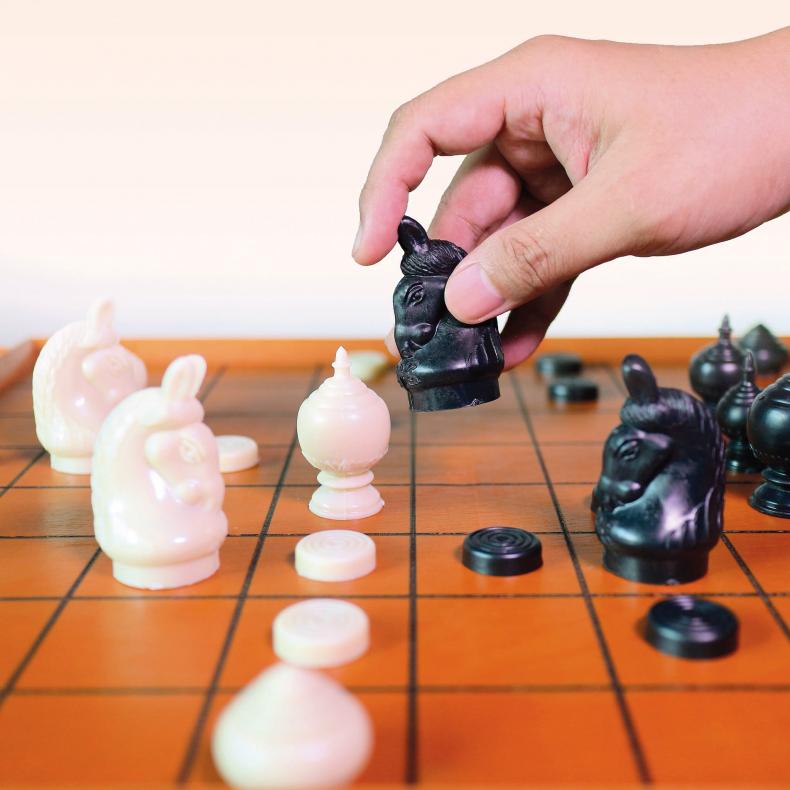
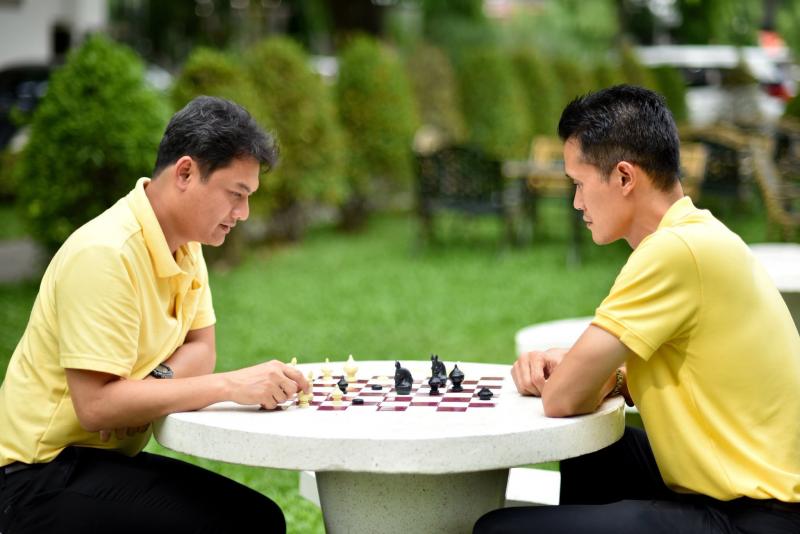
หมากรุกไทย เป็นกีฬาทางปัญญาและภูมิปัญญาการละเล่นของไทยที่สืบทอดกันมาอย่างยาวนาน อาศัยการวางแผน การคาดการณ์ และการตัดสินใจอย่างรอบคอบ ผู้เล่นต้องใช้ทั้งไหวพริบ ความอดทน และการคิดอย่างเป็นระบบในการควบคุมตัวหมากแต่ละตัวให้ทำงานร่วมกันอย่างมีประสิทธิภาพ เพื่อมุ่งสู่เป้าหมายสูงสุดคือการรุกจนฝ่ายตรงข้ามไม่สามารถหลบหลีกหรือแก้เกมได้ ด้วยลักษณะการเล่นที่เน้นการใช้สติปัญญามากกว่ากำลังกาย หมากรุกไทยจึงได้รับการยกย่องว่าเป็น "เกมกีฬาแห่งชั้นเชิง” ที่สะท้อนภูมิปัญญา ความคิดสร้างสรรค์ และศิลปะแห่งการวางกลยุทธ์ของคนไทยได้อย่างโดดเด่น
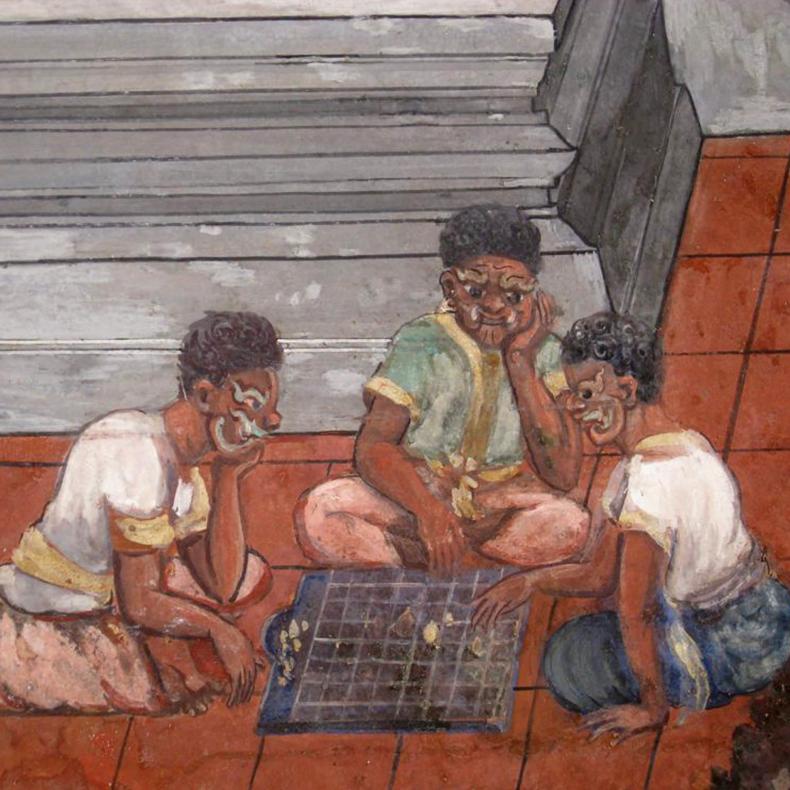
คนไทยสมัยก่อนมักเล่นหมากรุกกันตามวัดและในราชสำนัก ตั้งแต่ชั้นพระมหากษัตริย์ลงมาจนถึงประชาชน นับว่าเป็นการเล่นที่ไม่มีการแบ่งชั้นวรรณะ ใครคิดเป็น รู้จักใช้สติปัญญาก็นับว่าสามารถเล่นหมากรุกได้สนุกเท่าเทียมกัน มีบันทึกว่าพระมหากษัตริย์หลายพระองค์ทรงโปรดหมากรุก และมักใช้หมากรุกเพื่อการทดสอบสติปัญญาของข้าราชบริพาร หมากรุกสมัยก่อนเป็นที่นิยมมาก สังเกตได้จากเวลามีงานพิธีต่าง ๆ เช่น งานวัด งานบวช งานศพ เจ้าภาพจะหาหมากรุกมาให้เล่นกันอย่างสนุกสนานทั้งวันทั้งคืน บางครั้งเป็นการเล่นเพื่อประชันกันระหว่างนักเลงหมากรุกเจ้าถิ่นกับต่างถิ่นก็มี
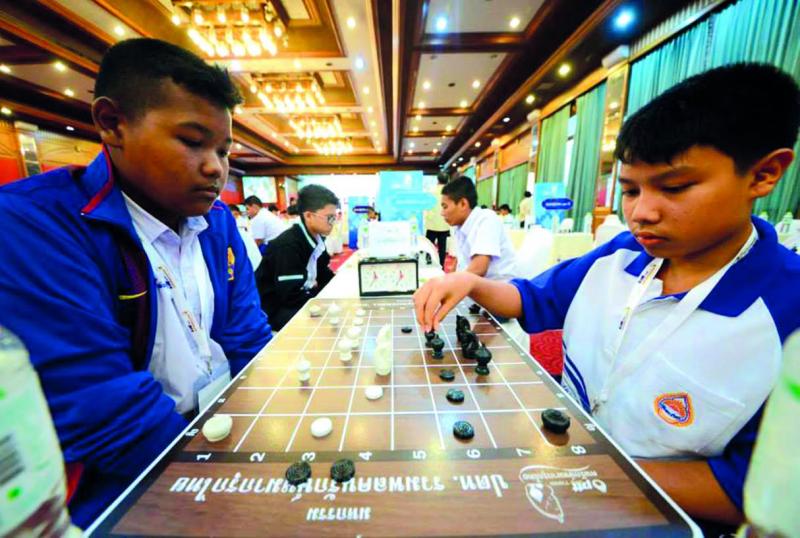
ด้วยศิลปะและเชิงชั้นในการเล่นที่น่าทึ่ง หมากรุกกลายเป็นกีฬาประจำชาติไทยที่มีการจัดประลองแข่งขันอย่างเป็นทางการ ในระหว่างสถาบันการศึกษาหรือในงานใหญ่ๆ ระดับจังหวัดจนถึงการแข่งขันระดับชาติ เช่น การประลองหมากรุกที่สนามหลวง เป็นต้น
ตั้งแต่อดีตจนถึงปัจจุบันการเล่นหมากรุกได้มีการพัฒนา เปลี่ยนแปลงทั้งรูปแบบ วิธีเล่น การเดินหมากแต่ละตัว รวมทั้งกฎกติกาการแข่งขันเพื่อให้เหมาะสมกับการเป็นกีฬาที่สามารถบันทึกแต้มหรือนับคะแนนได้อย่างชัดเจน และสร้างความสนุกสนานแก่ผู้ชมได้มากขึ้น มีการแข่งขันชิงถ้วยรางวัลและการนำเสนอข่าวจากสื่อมวลชนอย่างมีสีสัน
นักเลงหรือเซียนหมากรุกหลายรุ่นต่างก็ได้บันทึกกลเม็ดเด็ดพรายไว้ถ่ายทอดแก่ลูกหลาน แต่ละรุ่น แต่ละท่านก็มีเทคนิคการเล่นที่น่าสนใจต่างกัน บันทึกเหล่านี้ได้กลายตำราหรือคู่มือการเล่นหมากรุก ซึ่งหากใครมีความสนใจจริง ๆ สามารถหาตำราหมากรุกมาศึกษาได้ไม่ยาก และในปัจจุบันนี้ ยังสามารถติดตามชมการแข่งขันหมากรุกได้ในสนามหลายแห่ง เช่น ตลาดหลักทรัพย์แห่งประเทศไทย หรือหมากรุกออนไลน์ทางอินเตอร์เน็ต เป็นต้น
Makruk (Thai Chess): The Art of Strategy and Foresight An element inscribed on Thailand’s National Intangible Cultural Heritage List in 2012 under the category of Folk Sports, Games and Martial Arts
Thai Makruk (Thai Chess) is a traditional Thai mind sport and a cherished form of folk wisdom that has been passed down through generations. The game requires careful planning, foresight, and thoughtful decision-making. Players must rely on wit, patience, and strategic thinking to coordinate the movement of each piece effectively, with the ultimate objective of cornering their opponent into a position from which no escape or counterplay is possible. Emphasizing intellect over physical strength, Makruk has long been regarded as a "game of strategy and skill,” reflecting the wisdom, creativity, and art of strategic thinking that have characterized Thai culture for centuries.
In the past, Makruk was commonly played in Buddhist temples and within the royal court, enjoyed by everyone from kings and nobles to ordinary people. It was a game that transcended social class, allowing anyone with intelligence and a sharp mind to compete on equal terms. Historical records indicate that several Thai monarchs were fond of the game and often used it as a means of testing the wit and wisdom of their courtiers. Makruk was also widely enjoyed at community gatherings and ceremonial occasions. During temple fairs, ordination ceremonies, and even funeral rites, hosts would often provide Makruk for guests to play throughout the night. Sometimes, matches became exciting contests between renowned local players and visiting challengers, drawing spectators eager to witness displays of strategy, skill, and mental prowess.
Drawing upon its remarkable depth of strategy and artistry, Makruk gradually evolved into one of Thailand’s most recognized traditional mind sports, with formal competitions organized at educational institutions, provincial events, and national tournaments. One notable example was the chess competitions traditionally held at Sanam Luang (a multi-purpose, leisure park at the heart of Bangkok) that served as a gathering place for players and enthusiasts from across the country.
From the past to the present, Makruk has continued to evolve in terms of playing styles, piece movements, and competition rules. These developments have helped standardize the sport, allowing scores and results to be recorded more clearly while making matches more engaging for both players and spectators. Competitive tournaments, championship trophies, and colorful media coverage have further contributed to the enduring popularity and prestige of Makruk.
Over the generations, numerous books and manuals on Makruk have been compiled by skilled players and masters of the game, preserving their strategies, techniques, and tactical insights for future generations. Each master and each generation has contributed unique approaches and styles of play, enriching the body of knowledge surrounding Makruk and ensuring its continued development. Nowadays, those interested in learning the game can easily access a wide range of instructional materials and study its many strategic dimensions. Enthusiasts can also follow competitions held at various venues, including The Stock Exchange of Thailand (SET), as well as online tournaments and matches available through online platforms. Through both traditional and modern channels, Makruk continues to thrive as a living cultural heritage and a beloved mind sport of the Thai people. |
|
|
 |
|
|
 |
| ลิขสิทธิ์ของ กรมส่งเสริมวัฒนธรรม กระทรวงวัฒนธรรม สำหรับใช้ประโยชน์เพื่อเผยแพร่ศิลปวัฒนธรรมและการศึกษา |
| นโยบายเว็บไซต์ | นโยบายการคุ้มครองข้อมูลส่วนบุคคล | นโยบายการรักษาความมั่นคงปลอดภัยของเว็บไซต์ | การปฏิเสธความรับผิด (Disclaimer) |