 |
|
|||||||||



| ข่าวสาร >> บทความ >> ICH |
ผ้าหม้อห้อม เอกลักษณ์แห่งวิถีไทย งดงามเหนือกาลเวลา รายการที่ได้รับการขึ้นบัญชีมรดกภูมิปัญญาทางวัฒนธรรมของชาติ สาขางานช่างฝีมือดั้งเดิม เมื่อปี พ.ศ. 2567 วันที่ 18 มิ.ย. 2569 |
|
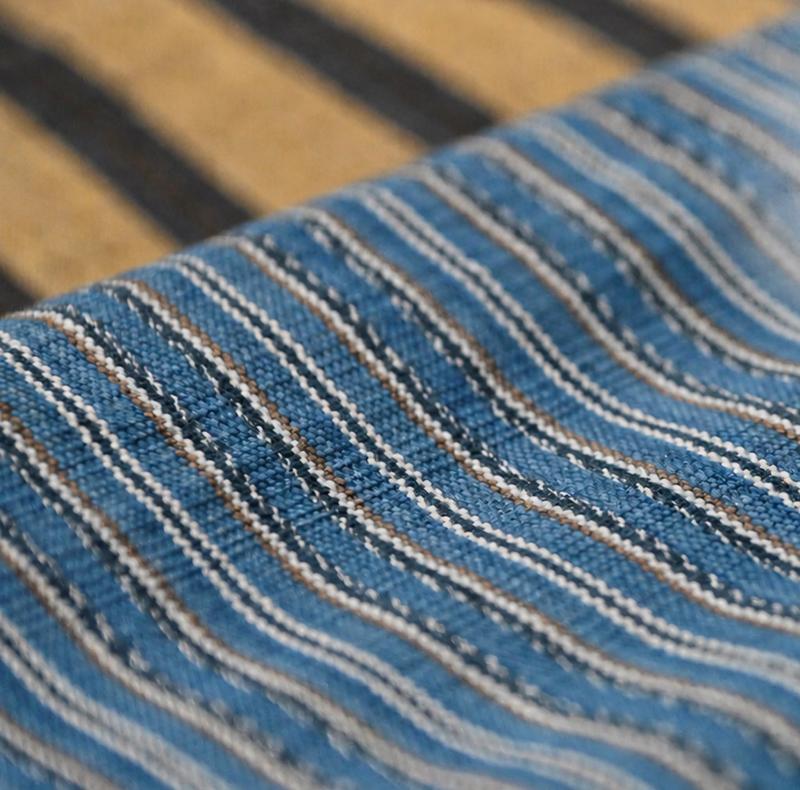
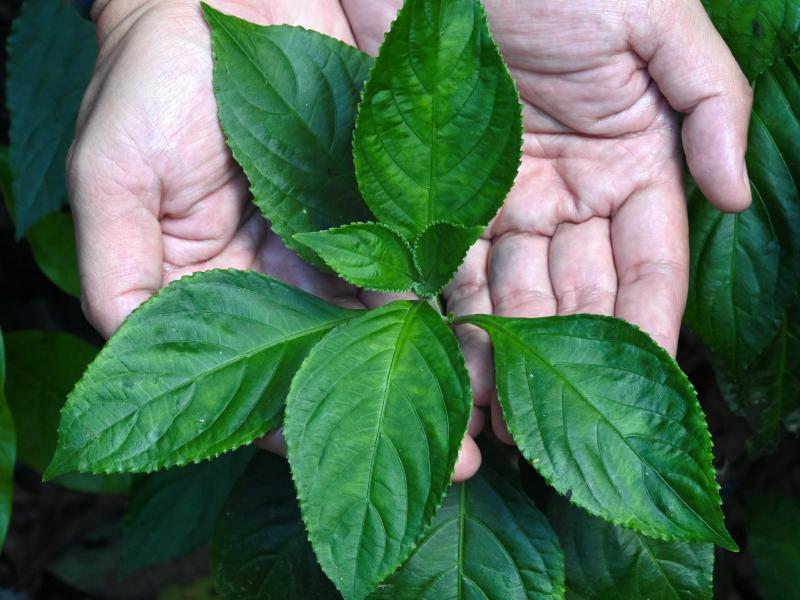
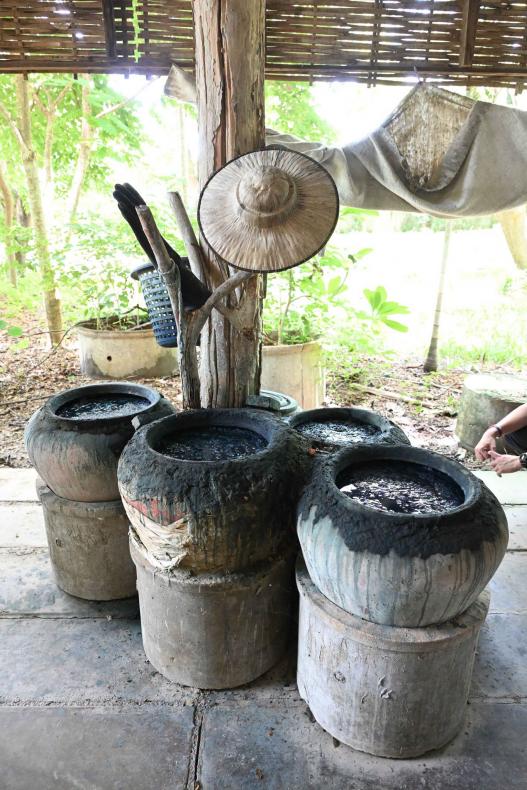
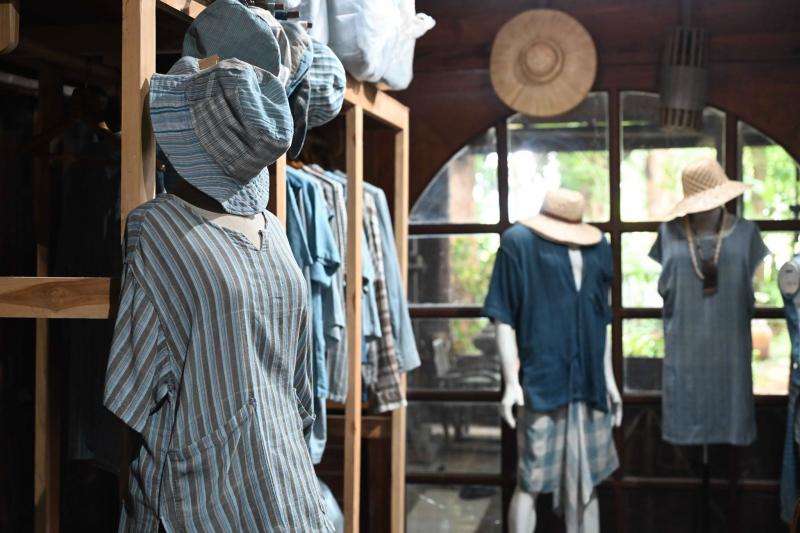
ผ้าหม้อห้อมเป็นหัตถกรรมพื้นบ้านที่เป็นเอกลักษณ์ประจำจังหวัดแพร่มาอย่างช้านาน และเป็นมรดกภูมิปัญญาทางวัฒนธรรมที่สืบทอดจากรุ่นสู่รุ่น โดยเป็นผ้าที่ผ่านการย้อมด้วยสีธรรมชาติจาก "ต้นห้อม” พืชพื้นถิ่นของภาคเหนือที่ให้สารสีครามหรืออินดิโก (Indigo) ชาวบ้านจะนำใบห้อมมาแช่น้ำเพื่อสกัดสี ก่อนนำไปก่อเป็นหม้อย้อมตามกรรมวิธีพื้นบ้าน จนเกิดเป็นสีครามอันเป็นเอกลักษณ์ จึงเป็นที่มาของชื่อ "ผ้าหม้อห้อม” ซึ่งสะท้อนภูมิปัญญาและวิถีชีวิตที่ผูกพันกับธรรมชาติของชุมชนในจังหวัดแพร่มาอย่างยาวนาน
ภูมิปัญญาการย้อมสีครามจากพืชเป็นองค์ความรู้ที่พบในหลายวัฒนธรรมทั่วโลกมานานหลายพันปี สำหรับประเทศไทย จังหวัดแพร่ถือเป็นพื้นที่สำคัญที่มีชื่อเสียงด้านการย้อมผ้าจากต้นห้อม โดยมีชุมชนผู้สืบทอดองค์ความรู้สำคัญ ได้แก่ บ้านทุ่งโฮ้ง อำเภอเมืองแพร่ ตำบลเวียงทอง และตำบลพระหลวง อำเภอสูงเม่น ซึ่งล้วนมีประวัติการตั้งถิ่นฐานและการสืบทอดภูมิปัญญาการย้อมผ้ามายาวนานกว่า 200 ปี จนทำให้ผ้าหม้อห้อมกลายเป็นสัญลักษณ์ทางวัฒนธรรมที่โดดเด่นของจังหวัดแพร่
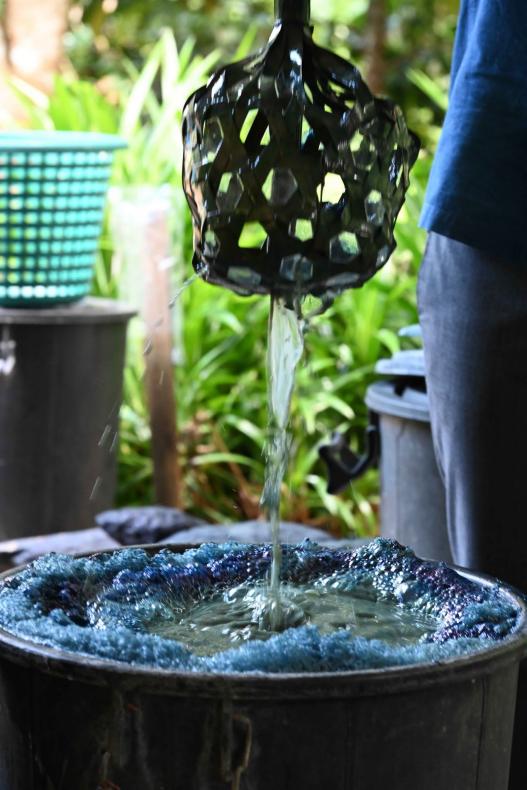
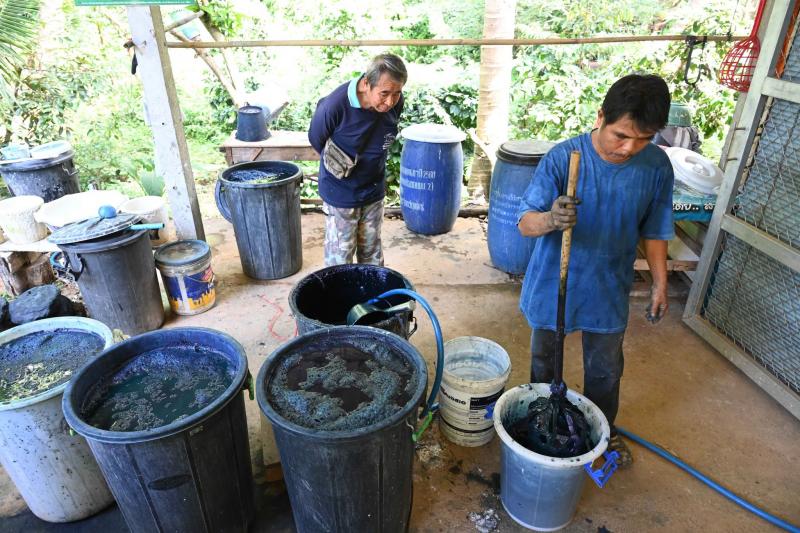
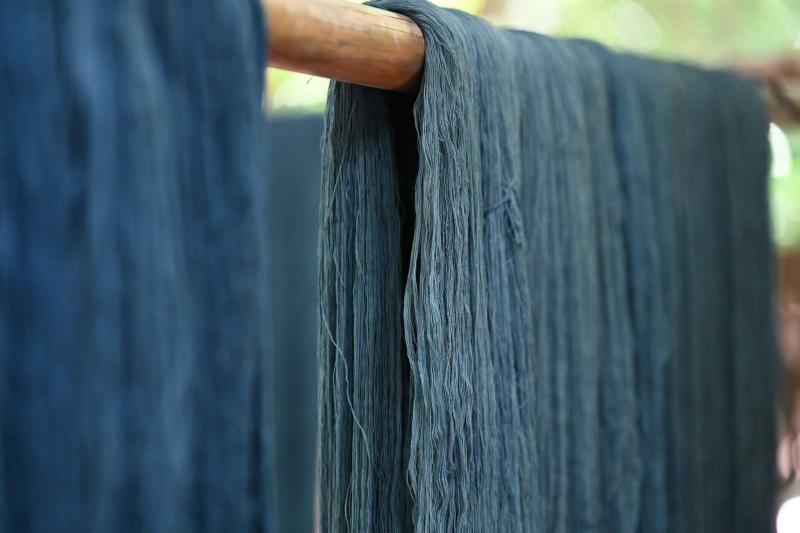
กระบวนการผลิตผ้าหม้อห้อมแบบดั้งเดิมเริ่มจากการนำใบห้อมมาสกัดเป็นเนื้อห้อมเปียก ก่อนนำไปก่อหม้อย้อมและย้อมผ้าด้วยกรรมวิธีเฉพาะที่ต้องอาศัยความชำนาญและประสบการณ์ของช่างย้อม สีของผ้าจะค่อย ๆ เปลี่ยนจากสีเขียวเป็นสีน้ำเงินเข้มเมื่อสัมผัสอากาศ และสามารถย้อมซ้ำหลายครั้งเพื่อให้ได้เฉดสีตามต้องการ กรรมวิธีดังกล่าวสะท้อนให้เห็นถึงความรู้ ความประณีต และความสัมพันธ์ระหว่างมนุษย์กับธรรมชาติที่ได้รับการถ่ายทอดต่อเนื่องจากบรรพบุรุษสู่คนรุ่นปัจจุบัน
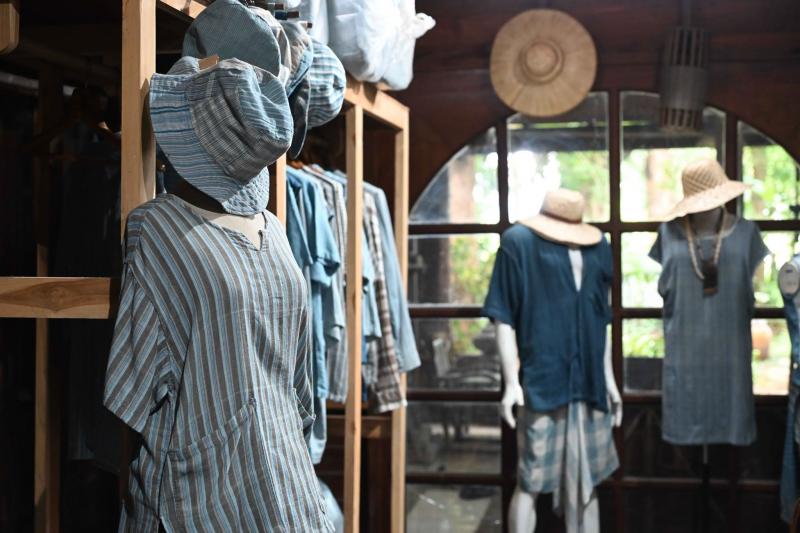
อย่างไรก็ตาม การผลิตผ้าหม้อห้อมแบบดั้งเดิมต้องเผชิญกับความเปลี่ยนแปลงของสภาพแวดล้อมและความต้องการทางการตลาด เนื่องจากต้นห้อมเป็นพืชที่ต้องอาศัยสภาพพื้นที่ชื้นและอากาศเย็น อีกทั้งให้ผลผลิตในปริมาณจำกัด ทำให้ในบางช่วงมีการนำสีสังเคราะห์หรือวัตถุดิบทดแทนมาใช้ในการผลิตมากขึ้น ส่งผลให้ภูมิปัญญาการย้อมห้อมธรรมชาติแท้มีความเสี่ยงต่อการสูญหาย และจำเป็นต้องได้รับการอนุรักษ์ ฟื้นฟู และถ่ายทอดอย่างต่อเนื่อง ด้วยคุณค่าทางประวัติศาสตร์ วัฒนธรรม และภูมิปัญญาที่สั่งสมมาอย่างยาวนาน ผ้าหม้อห้อมจึงได้รับการขึ้นทะเบียนเป็นมรดกภูมิปัญญาทางวัฒนธรรมของชาติ พ.ศ. 2567 สาขางานช่างฝีมือดั้งเดิม ประเภทผ้าและผลิตภัณฑ์จากผ้า นับเป็นความภาคภูมิใจของชาวจังหวัดแพร่ และเป็นเครื่องสะท้อนถึงภูมิปัญญาท้องถิ่นที่ยังคงมีชีวิต สามารถสร้างคุณค่าทั้งทางวัฒนธรรม เศรษฐกิจ และการสืบทอดอัตลักษณ์ของชุมชนให้คงอยู่สืบไป
Mo Hom Fabric: A Distinctive Thai Heritage, Beautiful Beyond Time An element inscribed on Thailand’s National Intangible Cultural Heritage List in 2024 under the category of Traditional Craftsmanship
Mo Hom fabric is a traditional handicraft that has long been a distinctive symbol of Phrae Province. It is also a valuable element of intangible cultural heritage that has been passed down from generation to generation. The fabric is dyed with natural colour extracted from the "Hom” plant (Baphicacanthus Cusia Brem), a native plant of Northern Thailand that produces indigo dye. The leaves are soaked in water to extract the dye and then fermented in earthenware dyeing vats following traditional local techniques, producing the fabric’s characteristic deep indigo hue. This unique dyeing process is the origin of the name "Mo Hom fabric” and reflects the wisdom, way of life, and close relationship between the people of Phrae Province and their natural environment that has been maintained for generations.
Knowledge of indigo dyeing from natural plants has existed in many cultures around the world for thousands of years. In Thailand, Phrae Province is widely recognized as an important centre of traditional dyeing using the Hom plant. Key communities that have preserved and transmitted this knowledge include Ban Thung Hong in Mueang Phrae District, as well as Wiang Thong and Phra Luang Sub-districts in Sung Men District. These communities have maintained their settlement histories and dyeing traditions for more than 200 years, contributing to the enduring legacy of Mo Hom fabric and establishing it as one of the most distinctive cultural symbols of Phrae Province.
The traditional production of Mo Hom fabric begins with extracting dye from Hom leaves to produce wet indigo paste, which is then used to prepare dye vats before the fabric is dyed using specialized techniques that require the skill and experience of master dyers. During the dyeing process, the fabric gradually changes from green to deep indigo blue when exposed to air, and it may be dyed repeatedly to achieve the desired shade. This traditional practice reflects the knowledge, craftsmanship, and attention to detail that have been passed down through generations, while also demonstrating the close relationship between local communities and the natural environment.
However, the traditional production of Mo Hom fabric has faced challenges arising from environmental changes and evolving market demands. The Hom plant requires moist environments and cool climates to thrive, while its yield remains relatively limited. As a result, synthetic dyes and substitute materials have increasingly been used in production to meet growing market demand. This shift has placed the traditional knowledge and practices of natural Hom dyeing at risk of decline, highlighting the need for their continued safeguarding, revitalization, and transmission to future generations.
In recognition of its historical, cultural, and intellectual significance accumulated over generations, Mo Hom fabric was inscribed on Thailand’s National Intangible Cultural Heritage List in 2024 under the category of traditional craftsmanship, specifically in the subcategory of textiles and textile products. This recognition represents a source of pride for the people of Phrae Province and highlights the enduring vitality of local wisdom. As a living cultural heritage, Mo Hom fabric continues to generate cultural and economic value while contributing to the preservation and transmission of community identity for future generations. |
|
|
 |
|
|
 |
|
|
 |
| ลิขสิทธิ์ของ กรมส่งเสริมวัฒนธรรม กระทรวงวัฒนธรรม สำหรับใช้ประโยชน์เพื่อเผยแพร่ศิลปวัฒนธรรมและการศึกษา |
| นโยบายเว็บไซต์ | นโยบายการคุ้มครองข้อมูลส่วนบุคคล | นโยบายการรักษาความมั่นคงปลอดภัยของเว็บไซต์ | การปฏิเสธความรับผิด (Disclaimer) |