 |
|
|||||||||



| ข่าวสาร >> บทความ >> ICH |
มวยไทย ศิลปะการต่อสู้คู่แผ่นดินไทย รายการที่ได้รับการขึ้นบัญชีมรดกภูมิปัญญาทางวัฒนธรรมของชาติ วันที่ 26 ก.ค. 2569 |
|
มวยไทย เป็นศิลปะการต่อสู้ป้องกันตัวที่สร้างความแข็งแรงให้กับร่างกาย และความเข้มแข็งให้กับจิตใจแก่ผู้ฝึกปฏิบัติ สืบทอดต่อเนื่องมาไม่ต่ำกว่า 300 ปี โดยปรากฏหลักฐานอย่างชัดเจนในบันทึกการเดินทางของลาลูแบร์ ชาวฝรั่งเศส ที่เข้ามาในสยาม เมื่อปี ค.ศ. 1687 สมัยสมเด็จพระนารายณ์มหาราช
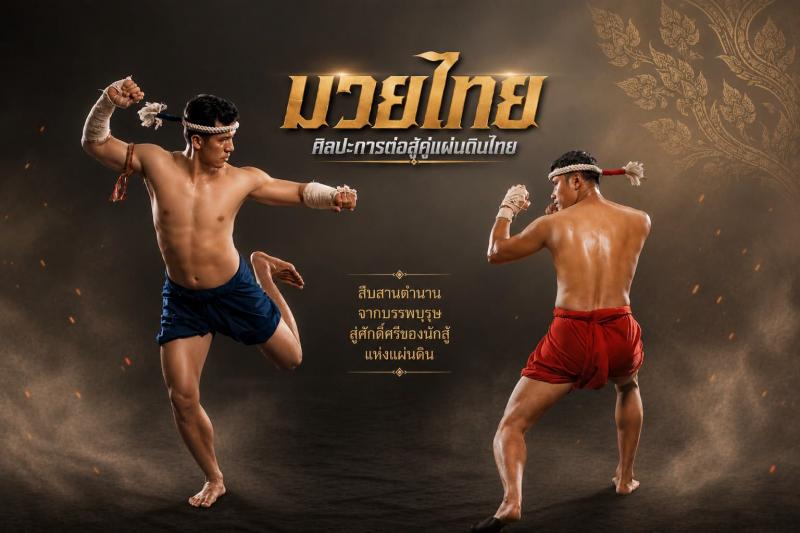
เอกลักษณ์เด่นของมวยไทย คือ การใช้อวัยวะส่วนต่าง ๆ ของร่างกายในการป้องกันตัว เช่น ใช้สะโพกในการกระแทก ใช้มือในการจับปล้ำและกอดรัด ฯลฯ การคาดเชือกที่มือเพื่อป้องกันการบาดเจ็บของข้อมือและเสริมคมให้กับสันหมัด การคาดผ้าประเจียดไว้ที่ต้นแขนและการสวมมงคลไว้ที่ศีรษะ เพื่อความเป็นสิริมงคลและสร้างความเชื่อมั่นให้กับตนเองให้มีสมาธิและสติปัญญาก่อนทำการต่อสู้
ท่วงท่าการฝึกฝนมวยไทย คิดค้นและพัฒนามาจากการเลียนแบบท่าทางของสัตว์ การสังเกตธรรมชาติ สิ่งแวดล้อม และวิถีการดำเนินชีวิตในชุมชนท้องถิ่น โดยได้นำคำไทยที่เข้าใจและจดจำได้ง่าย หรือปรากฏอยู่ในวรรณคดีซึ่งเป็นที่รู้จัก มาใช้ในการตั้งชื่อเพื่อให้ผู้ฝึกฝนนึกถึงท่าทางได้อย่างชัดเจน เช่น คลื่นกระทบฝั่ง เถรกวาดลาน หนูไต่ราว หนุมานถวายแหวน อิเหนาแทงกฤช เป็นต้น โดยท่วงท่าการฝึกฝนมวยไทยต่าง ๆ ได้มีการสร้างสรรค์กลายเป็นศิลปะการร่ายรำไหว้ครู แม่ไม้-ลูกไม้ และไม้มวยต่าง ๆ และพัฒนาจนเกิดเป็นเอกลักษณ์ของมวยไทยสายต่าง ๆ ที่สำคัญ ได้แก่ มวยไทย 5 สาย คือ มวยไทยโคราช มวยไทยลพบุรี มวยไทยไชยา มวยไทยท่าเสา และมวยไทยพลศึกษา ซึ่งมีลักษณะที่โดดเด่นและแตกต่างกันออกไปตามปรัชญาของแต่ละสาย คือ มวยโคราชมี "ความหนักหน่วง” ด้วยหมัดและเท้าที่ทรงพลัง มวยลพบุรีมี "ความฉลาด” ชกหมัดว่องไวและแม่นยำ มวยไชยามี "ท่วงท่า” เน้นการป้องปัดปิดเปิด มวยท่าเสามี "ความไว” มีท่าเตะนาคาสะบัดหางที่รุนแรงและว่องไว และมวยพลศึกษามี "เชาวน์ปัญญา” มีพิษสงรอบตัว
ศาสตร์วิชามวยไทยเน้นความสัมพันธ์ระหว่างครูกับศิษย์ การถ่ายทอดเทคนิควิธี คำสอนเชิงคุณธรรมและจริยธรรม โดยเฉพาะอย่างยิ่งการเคารพซึ่งกันและกัน ความกตัญญูกตเวทีต่อครูอาจารย์และผู้มีพระคุณ ความอ่อนน้อมถ่อมตน และการอยู่ร่วมกันกับผู้อื่นได้อย่างปรองดองสมานฉันท์และสันติ มีพิธีกรรมและธรรมเนียมปฏิบัติในการสืบทอดองค์ความรู้และถ่ายทอดศิลปะมวยไทยตามจิตวิญญาณดั้งเดิม แบบตัวต่อตัว ประกอบด้วย การมอบตัวเป็นศิษย์ในพิธียกครูหรือขึ้นครู และการครอบครูและการร่ายรำไหว้ครู และในทุก ๆ ปี แต่ละสำนักและสายมวยจะมีพิธีการไหว้ครูประจำปี เพื่อแสดงออกถึงความเคารพบูชาต่อครูอาจารย์ และเป็นการพบปะแลกเปลี่ยนและทบทวนวิชามวยระหว่างศิษย์พี่ ศิษย์น้อง และครูมวย
ผู้ถือครองและผู้ปฏิบัติมวยไทยกระจายตัวอยู่ในทุกภูมิภาคของประเทศไทย และในต่างประเทศ ประกอบด้วย เจ้าสำนักมวย ที่ถือครองตำรับวิชามวย เป็นผู้ได้รับความเคารพอย่างสูงจากผู้ปฏิบัติ มีหน้าที่ความรับผิดชอบในการบริหารสำนักมวย ถ่ายทอด ให้คำปรึกษาและเสนอแนะ แก่ผู้ปฏิบัติมวยไทย ครูมวย ผู้มีหน้าที่ฝึกสอน ถ่ายทอดความรู้ เขียนตำรา และจัดทำหลักสูตรการเรียนการสอนด้านมวยไทย และผู้ปฏิบัติมวยไทย ได้แก่ นักมวย นักเรียน นักศึกษา นักแสดง และประชาชนทั่วไปที่ฝึกฝนและสืบทอดศิลปะมวยไทย
ปัจจุบัน มวยไทยมีการสืบทอดความรู้ผ่านระบบการศึกษาทั้งในระบบ นอกระบบ และการศึกษาตามอัธยาศัย โดยมีการสอนมวยไทยในวิชาพละศึกษาแก่นักเรียนในระดับชั้นประถมศึกษา และมัธยมศึกษา ส่วนระดับอุดมศึกษานั้น มหาวิทยาลัยต่าง ๆ มีการเปิดสอนวิชามวยไทยในหลักสูตรวิทยาศาสตรบัณฑิต สาขาวิชาวิทยาศาสตร์การกีฬา และวิทยาลัยมวยไทยและการแพทย์แผนไทย มหาวิทยาลัยราชภัฏหมู่บ้านจอมบึง ก็ยังมีการเปิดสอนวิชามวยไทยตั้งแต่ระดับปริญญาตรี ปริญญาโท และปริญญาเอก นอกจากนั้น ยังมีการเรียนการสอนมวยไทยเป็นวิชาเลือกนอกสถาบันการศึกษา และการเรียนการสอนมวยไทยตามสำนักมวย สมาคมและศูนย์การเรียนรู้มวยไทยที่มุ่งเน้นการปกป้องตนเอง และครอบครัว รวมถึงส่งเสริมสุขภาพกายและจิตใจให้แข็งแรง ควบคู่ไปกับการรักษาขนบธรรมเนียมประเพณีดั้งเดิม ให้แก่ผู้ที่สนใจทุกเพศ ทุกวัย ทุกเชื้อชาติ ทุกศาสนา โดยครอบคลุม
กล่าวได้ว่า มวยไทยเป็นมรดกภูมิปัญญาทางวัฒนธรรมที่สนับสนุนความเสมอภาคทางเพศ ซึ่งเปิดโอกาสแก่คนทุกเพศทุกวัยสามารถเข้ามาเรียนรู้ได้โดยไม่กีดกัน และเสริมสร้างสุขภาวะที่ดีทั้งทางร่างกาย จิตใจ และอารมณ์แก่ผู้ฝึกฝน นอกจากนั้นยังช่วยพัฒนาเศรษฐกิจในทุกภาคส่วนอย่างครอบคลุม ช่วยสร้างอาชีพและนำรายได้แก่ชุมชน องค์กร และเครือข่ายที่เกี่ยวข้อง ไม่ว่าจะเป็น นักมวย ผู้ฝึกสอนมวย ค่ายมวย ผู้ผลิตวัสดุอุปกรณ์ นักดนตรี ฯลฯ
Muay Thai (Thai Boxing): A Martial Art Rooted in Thai Heritage An element inscribed on Thailand’s National Intangible Cultural Heritage List in 2010 under the category of Folk Sports, Games and Martial Arts
Muay Thai (also referred to as Thai Boxing) is a martial art that helps those who practice it build on physical and mental strength. It has been continuously passed down from generation to generation for more than 300 years, as recorded in a travel memoir of French diplomat, Simon de la Loubére, who arrived in Siam in 1687, during the reign of King Narai the Great.
Muay Thai is characterized by its combined use of body parts for self-defense, such as hips for bumping, hands and arms for grasping and grappling, etc. The unique traditions of Muay Thai also include wrapping hands with rope to prevent wrist injuries and inflict more damage to the opponent; wearing Prajiad (armband) and Mongkhon (headband) for luck and spirit boost before a fight.
Muay Thai movements were invented and developed by imitating animal moves, surrounding nature, and local way of living. These movements are clearly recognizable as they are called by easy-to-remember words or names from well-known Thai traditional literature. Some of the most vivid examples are Kluen Kratob Fang (waves crashing on the shore), Tane Kwad Lan (monk sweeping the floor), Noo Tai Rao (mouse scaling a tight rope), Hanuman Tawai Waen (Hanuman offering a ring), Inao Taeng Kris (Inao stabbing his Kris). These movements laid the ground for the creation of Muay Thai ritual dance to pay respect to teachers, Mai Muay (fighting techniques), consisting of Mae Mai (fundamental techniques) and Luk Mai (derived techniques); which later on evolved into distinctive traits and qualities of the five major disciplines of Muay Thai, namely, Muay Korat characterized by its powerful punch and kick, Muay Lopburi characterized by its witty, swift and accurate punch, Muay Chaiya characterized by its defense and offense movements, Muay Tha Sao characterized by its swift and powerful kick called Nakha Sabat Hang (serpent whipping its tail), and Muay Palasueksa characterized by its intelligent and fully-fledged style.
Muay Thai gives emphasis to teacher-student relationship, transmission of fighting techniques, moral values and ethics, in particular, mutual respect, gratitude to teachers, humbleness, as well as social coherence and peace. Muay Thai also involves rituals and customary practices, indispensable for the transmission of its knowledge between Khru Muay (master or trainer) and student on a one-to-one basis. These include Yok Khru or Khuen Khru (the first orientation when a student formally submits oneself to a master), Khrop Khru (the final orientation when Muay Thai students are blessed and authorized by masters to teach Muay Thai to others), and Wai Khru dance to show respect to teachers. Each Muay Thai discipline and school will hold their annual teacher appreciation ceremony to pay respect and gratitude to the teachers. This is also an occasion for knowledge exchange and sharing among junior and senior Muay Thai learners, as well as teachers. Muay Thai bearers and practitioners are found in all Thai regions and abroad. Bearers include revered Muay Thai school masters who conserve, transmit and give guidance about Muay Thai traditional techniques and wisdom; and Muay Thai trainers who coach, and develop Muay Thai textbook and curriculum. Practitioners include amateur and professional boxers, as well as students and general public who learn, practice and pass down Muay Thai.
Currently, Muay Thai knowledge and wisdom is transmitted through formal, non-formal, and informal education. Muay Thai is taught in many primary and secondary schools, as part of Physical Education subject. Several higher education institutions offer Muay Thai subject in Bachelor's programs in Sports Science. The College of Muay Thai Study and Thai Traditional Medicine, Muban Chombueng Rajabhat University, moreover, provides Bachelor’s, Master’s and Doctor’s degree in Muay Thai Studies. There are also many private Muay Thai academies and training centers, including master houses and associations that contribute to the protection and promotion of this traditional martial art, as they are offering Muay Thai courses for all members of the general public, regardless of gender, age, race, and religious belief, who are interested in learning Muay Thai for self-defense, as well as for physical and mental strength training.
Muay Thai is, therefore, an intangible cultural heritage that promotes gender equality and provides open and inclusive learning opportunities to people of all genders and ages without discrimination, helping practitioners to attain good health and well-being, physically, mentally and emotionally. Muay Thai also contributes to economic development, creating jobs and generating income for local communities, partners and all relevant stakeholders, including boxers, trainers, learning centers, equipment manufacturers, musicians, and others. |
|
||
| ลิขสิทธิ์ของ กรมส่งเสริมวัฒนธรรม กระทรวงวัฒนธรรม สำหรับใช้ประโยชน์เพื่อเผยแพร่ศิลปวัฒนธรรมและการศึกษา |
| นโยบายเว็บไซต์ | นโยบายการคุ้มครองข้อมูลส่วนบุคคล | นโยบายการรักษาความมั่นคงปลอดภัยของเว็บไซต์ | การปฏิเสธความรับผิด (Disclaimer) |