 |
|
|||||||||



| ข่าวสาร >> บทความ >> ICH |
ผ้าขาวม้า : ผ้าลายตารางผ่านยุคสมัย รายการที่ได้รับการขึ้นบัญชีมรดกภูมิปัญญาทางวัฒนธรรมของชาติ สาขางานช่างฝีมือดั้งเดิม เมื่อปี พ.ศ. 2556 วันที่ 6 ก.ค. 2569 |
|
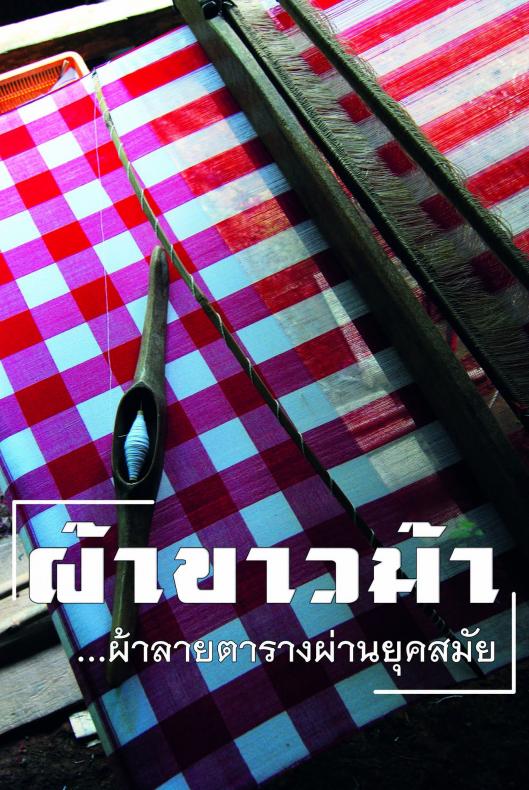
ผ้าขาวม้าเป็นผ้าทรงสี่เหลี่ยมผืนผ้า ทอจากฝ้ายหรือผ้าไหม มีลวดลายตารางหรือริ้วสีสันที่เกิดจากการย้อมและการทอด้วยภูมิปัญญาพื้นบ้านที่สืบทอดจากรุ่นสู่รุ่นในครอบครัว ชุมชน และสถานศึกษา มีขนาดโดยทั่วไปกว้างประมาณ 60 - 80 เซนติเมตร และยาว 120 - 160 เซนติเมตร ด้วยขนาดและรูปแบบที่เหมาะสม จึงเป็นผ้าที่สามารถนำไปใช้ประโยชน์ได้อย่างหลากหลายในวิถีชีวิต ประเพณี และพิธีกรรมของผู้คน โดยเฉพาะในชุมชนเกษตรกรรมทั่วประเทศไทย
ผ้าขาวม้ามีชื่อเรียกและรูปแบบที่แตกต่างกันตามภูมิภาคและกลุ่มชาติพันธุ์ สะท้อนเอกลักษณ์และภูมิปัญญาท้องถิ่น เช่น ภาคตะวันออกเฉียงเหนือเรียกว่า "แพรอีโป้” "แพรลิ้นลาน” หรือ "แพรไส้ปลาไหล” ภาคเหนือเรียกว่า "ผ้าหัว” ขณะที่ชาวไทลื้อเรียกว่า "ผ้าต่อง” และชาวไทยวนในจังหวัดราชบุรีเรียกว่า "ผ้าหัวจก” หรือ "ผ้าขาวม้าแดง” ซึ่งมีลักษณะเด่นคือการทอสลับสีโดยเน้นสีแดง ส่วนชาวไทยครั่งนิยมทอ "ผ้า 5 สี” สำหรับใช้ในครัวเรือน ขณะที่ภาคใต้เรียกว่า "ผ้าจวนตานี” หรือ "ลิม่า” (ลิมาร์) ซึ่งนิยมใช้ในหมู่ชาวไทยมุสลิม ทั้งในชีวิตประจำวันและในโอกาสสำคัญ
ด้วยคุณสมบัติที่ใช้งานได้หลากหลาย ผ้าขาวม้าจึงเป็นทั้งเครื่องนุ่งห่ม เครื่องใช้ในครัวเรือน และสิ่งของที่มีบทบาทในพิธีกรรม สามารถใช้เป็นผ้านุ่ง ผ้าคลุมอาบน้ำ ผ้าโพกศีรษะ ผ้าห่ม หรือประยุกต์ใช้เป็นผ้าปูโต๊ะ ผ้าม่าน เปลเด็ก และเครื่องใช้ภายในบ้าน อีกทั้งยังใช้ในพิธีบายศรีสู่ขวัญ งานมงคล งานบุญ งานต้อนรับแขก การถวายพระสงฆ์ ตลอดจนพิธีกรรมที่เกี่ยวข้องกับความเชื่อและวิถีชีวิตของชุมชน จึงนับเป็นมรดกภูมิปัญญาที่สะท้อนอัตลักษณ์ทางวัฒนธรรมและความผูกพันของผู้คนกับวิถีชีวิตท้องถิ่น
ปัจจุบัน ผ้าขาวม้ายังคงมีการผลิตและใช้อย่างแพร่หลายในชุมชนเกษตรกรรมทั่วทุกภูมิภาคของประเทศไทย รวมถึงในชุมชนชาติพันธุ์ต่าง ๆ เช่น ไทลื้อ ไทยวน ไทลาว ภูไท ไทส่วย และกูย อีกทั้งยังพบการใช้ในบางพื้นที่ของประเทศเพื่อนบ้านอันเป็นผลจากการเคลื่อนย้ายและการตั้งถิ่นฐานของผู้คน นอกจากนี้ ผ้าขาวม้ายังสามารถนำกลับมาใช้ซ้ำและดัดแปลงใช้ประโยชน์ได้หลากหลาย ส่งเสริมการใช้ทรัพยากรอย่างคุ้มค่าและการบริโภคที่ยั่งยืน ขณะเดียวกัน การออกแบบร่วมสมัยและการประยุกต์ใช้ในรูปแบบใหม่ยังช่วยเพิ่มมูลค่าและสร้างบทบาทสำคัญต่อเศรษฐกิจและการพัฒนาของชุมชนท้องถิ่น
Pha Khao Ma (ผ้าขาวม้า): A Checkered Cloth Through the Ages An element inscribed on Thailand’s National Intangible Cultural Heritage List in 2013 under the category of Traditional Craftsmanship
Phakhaoma is a rectangular woven cloth made of cotton or, in some cases, silk. Characterized by colourful checkered or striped patterns created through traditional dyeing and weaving techniques, it has long been produced using local knowledge passed down through generations in families, communities, and educational institutions. Measuring approximately 60 - 80 centimetres in width and 120 - 160 centimetres in length, Phakhaoma is a versatile textile that plays an important role in everyday life, cultural traditions, and ceremonial practices, particularly among rural agricultural communities throughout Thailand.
Known by different names across regions and ethnic groups, Phakhaoma reflects Thailand's rich cultural diversity and local weaving traditions. In the Northeast, it is known as Prae E Po, Prae Lin Lan, or Prae Sai Pla Lai; in the North, it is called Pha Hua; among the Tai Lue people, it is known as Pha Tong; while the Tai Yuan community in Ratchaburi Province refers to it as Pha Hua Jok or Phakhaoma Daeng, distinguished by its red-dominant woven patterns. The Tai Khrang people weave the distinctive Pha 5 Si (5-dyed cloth) for household use, whereas in Southern Thailand it is known as Pha Juan Tani or Limar, which is widely used among Thai Muslim communities for both everyday and ceremonial purposes.
Owing to its versatility, Phakhaoma serves as both a garment and a household textile. It is commonly worn as a waist cloth, bathing cloth, head covering, or blanket, and is also adapted for household uses such as tablecloths, curtains, baby cradles, hammocks, and other domestic items. Beyond everyday use, Phakhaoma plays an important role in cultural and religious life, including the Bai Sri Su Khwan (traditional Thai blessing ceremony), merit-making activities, wedding ceremonies, welcoming rituals, offerings to monks and ancestors, and other community traditions. As such, it represents a living cultural heritage that reflects local identity, traditional knowledge, and the close relationship between people and their way of life.
Today, Phakhaoma continues to be woven and widely used in agricultural communities across every region of Thailand, as well as among various ethnic groups, including the Tai Lue, Tai Yuan, Tai Lao, Phu Tai, Tai Suai, and Kuy. It is also found in neighbouring countries as a result of historical migration and cultural exchange. In addition to its enduring cultural significance, Phakhaoma supports sustainable living through its durability, reusability, and adaptability. Contemporary designs and innovative applications have further enhanced its value, strengthening its contribution to local economies while ensuring the continued vitality of this traditional textile. |
|
||
| ลิขสิทธิ์ของ กรมส่งเสริมวัฒนธรรม กระทรวงวัฒนธรรม สำหรับใช้ประโยชน์เพื่อเผยแพร่ศิลปวัฒนธรรมและการศึกษา |
| นโยบายเว็บไซต์ | นโยบายการคุ้มครองข้อมูลส่วนบุคคล | นโยบายการรักษาความมั่นคงปลอดภัยของเว็บไซต์ | การปฏิเสธความรับผิด (Disclaimer) |