 |
|
|||||||||



| ข่าวสาร >> บทความ >> ICH |
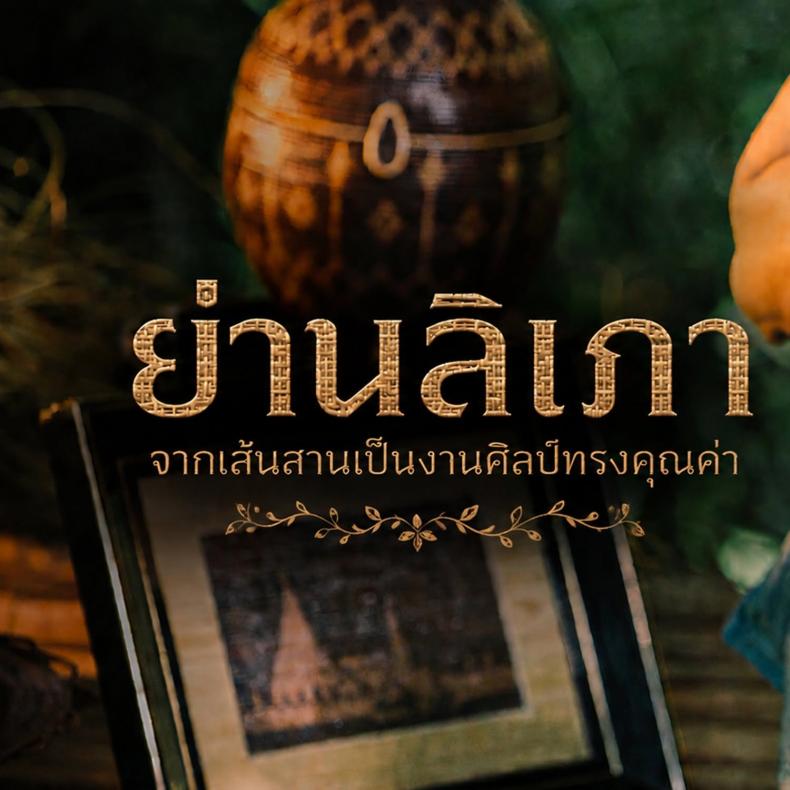
ย่านลิเภา จากเส้นสานเป็นงานศิลป์ทรงคุณค่า รายการที่ได้รับการขึ้นบัญชีมรดกภูมิปัญญาทางวัฒนธรรมของชาติ สาขางานช่างฝีมือดั้งเดิม เมื่อปี พ.ศ. 2552 วันที่ 28 พ.ค. 2569 |
|
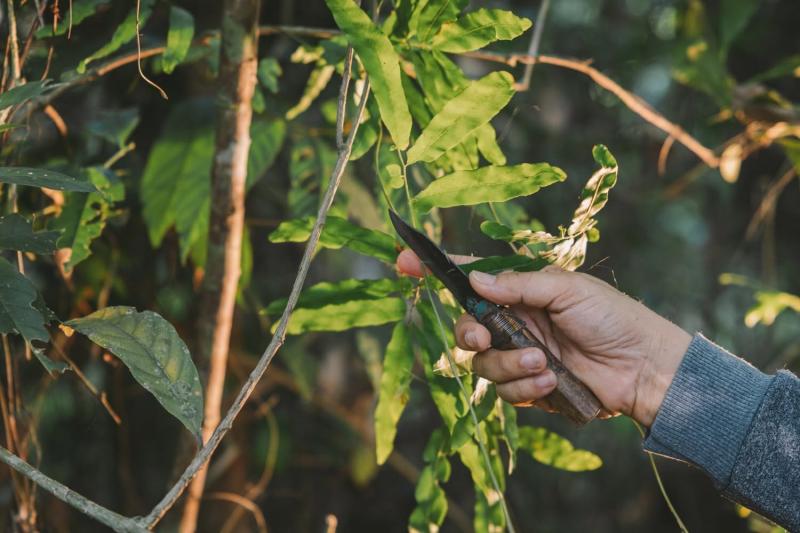
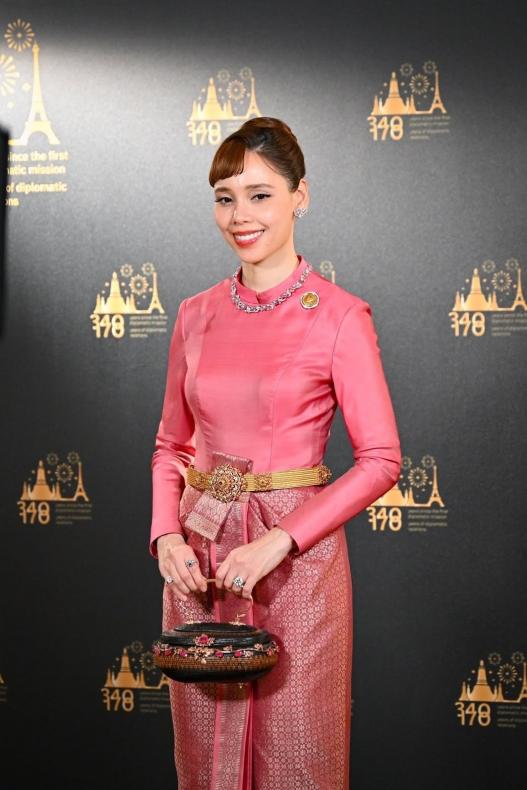
เครื่องจักสานย่านลิเภา เป็นเครื่องจักสานประเภทหนึ่งที่สานด้วยย่านลิเภา ซึ่งเป็นพืชตระกูลเฟิร์น หรือเถาวัลย์ชนิดหนึ่ง (ภาษาท้องถิ่นภาคใต้เรียกเถาวัลย์ว่า "ย่าน”) มีคุณสมบัติที่ดีคือลำต้นเหนียว ชาวบ้านจึงนำมาจักสานเป็นภาชนะเครื่องใช้ต่าง ๆ แหล่งผลิตที่สำคัญของเครื่องจักสานย่านลิเภาอยู่ที่บ้านหมน ตำบลท่าเรือ อำเภอเมือง จังหวัดนครศรีธรรมราช
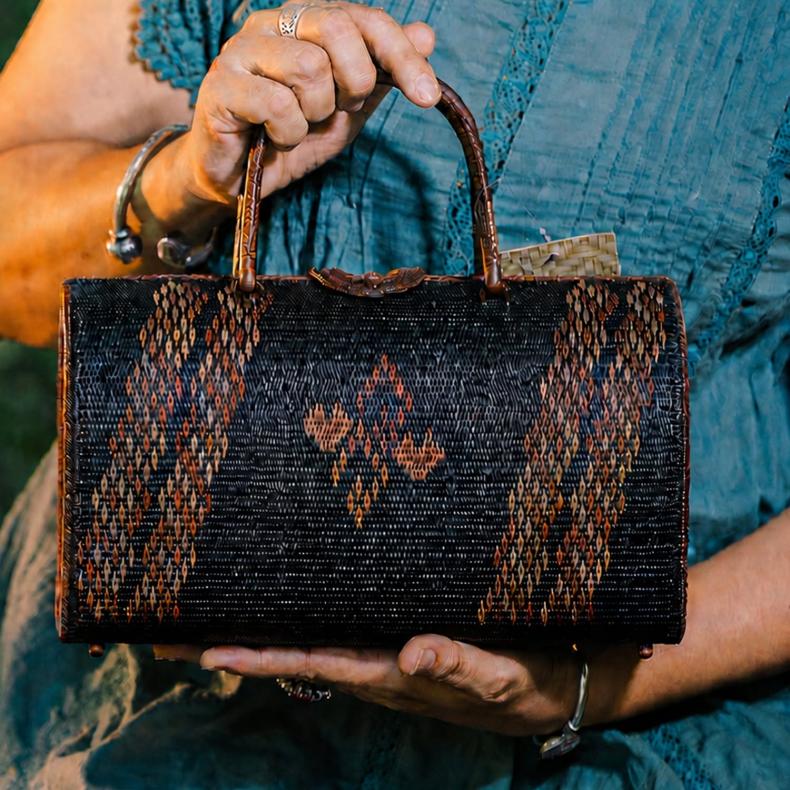
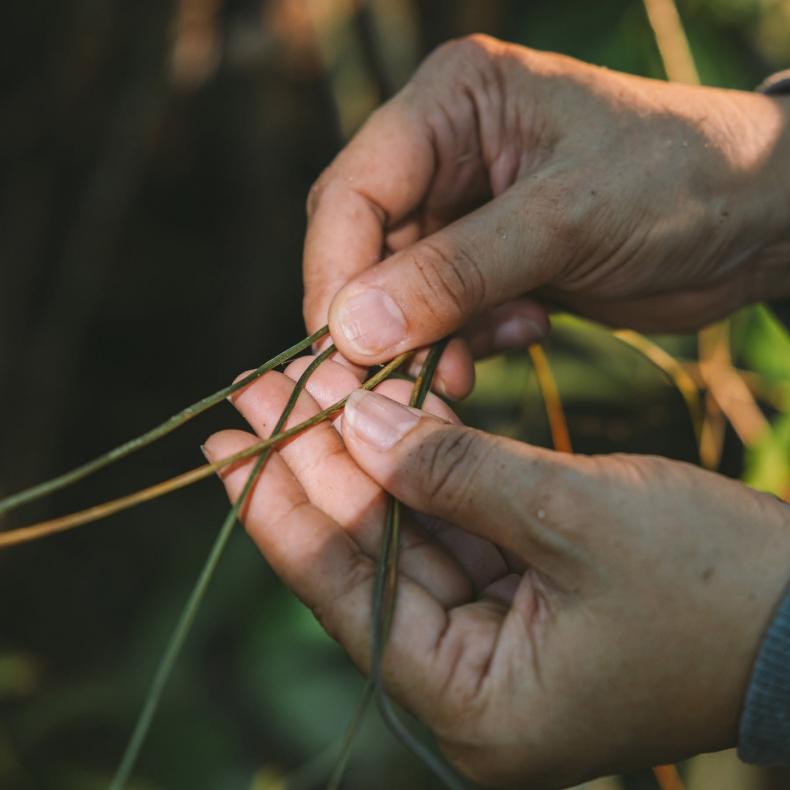
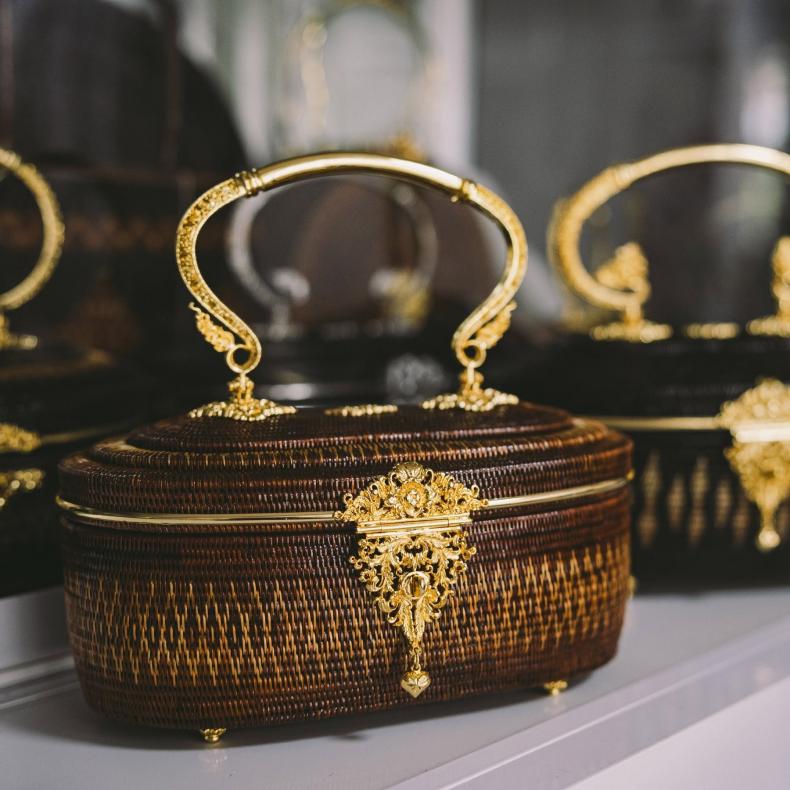
กระบวนการผลิตเครื่องจักสานย่านลิเภา เริ่มจากการนำย่านลิเภามาจักผิวเป็นเส้น ๆ แล้วชักเลียดให้เส้นเรียบสม่ำเสมอกัน จากนั้นนำมาสานขัดกับตัวโครงที่ทำจากหวาย และไม้ไผ่ให้เป็นภาชนะเครื่องใช้ต่าง ๆ เช่น กระเชอ ตลับเชี่ยนหมาก กล่องใส่ยาเส้น พาน ปั้นชา ขันดอกไม้ธูปเทียน กรงนก กระเป๋าถือ เป็นต้น งานจักสานย่านลิเภา นอกจากจะงดงามด้วยลวดลายของการจักสานแล้ว ยังงดงามด้วยสีผิวธรรมชาติของย่านลิเภา และสีผิวของตอกเส้นยืนที่ทำจากไม้ไผ่ หรือไม้ลิงโร ทำให้เกิดสีสลับกันงดงาม บางครั้งยังเสริมส่วนประกอบด้วยเครื่องถมเงินและถมทอง เพื่อเพิ่มมูลค่า ความงาม และคุณค่าของเครื่องจักสานย่านลิเภา ให้สูงยิ่งขึ้น
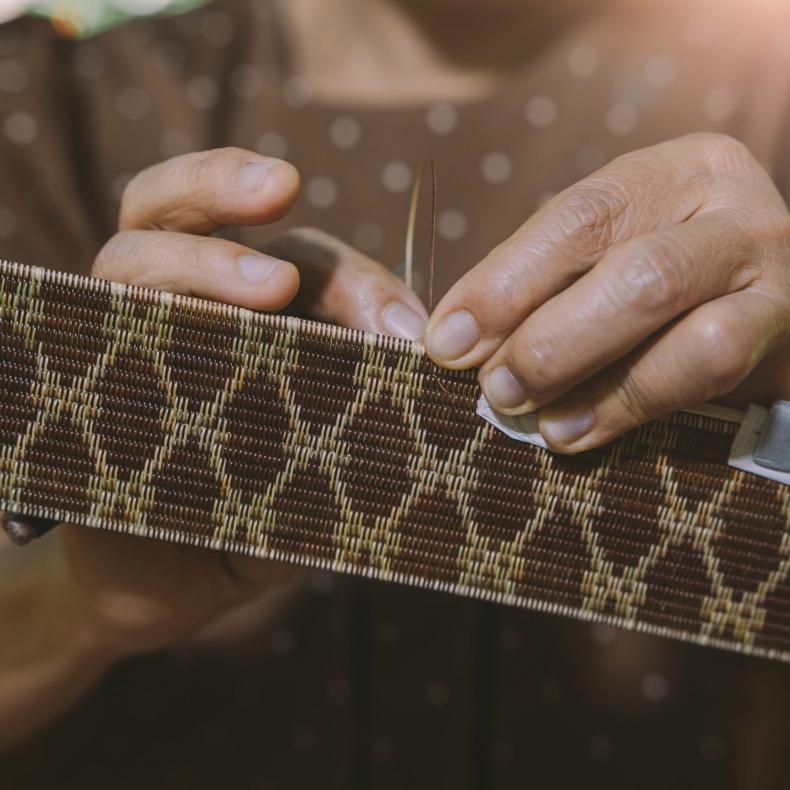
นอกจากนี้ การขึ้นรูปผลิตภัณฑ์จักสานย่านลิเภามีทั้งรูปแบบโปร่งและรูปแบบทึบ ซึ่งแต่ละรูปแบบต้องอาศัยเทคนิคการสานที่แตกต่างกัน โดยเฉพาะการสานแบบทึบที่ต้องใช้ความชำนาญสูง เนื่องจากต้องอาศัยการขึ้นโครงด้วยหวายและการถักเส้นลิเภาทีละเส้นอย่างประณีต พร้อมทั้งใช้ "เบ้า” เป็นตัวกำหนดรูปทรงของชิ้นงานให้มีความสมดุลและสวยงาม ในขั้นตอนนี้ ช่างฝีมือยังได้สร้างสรรค์ลวดลายอันเป็นเอกลักษณ์ลงบนผลิตภัณฑ์ เช่น ลายดอกสี่เหลี่ยม ลายตาสับปะรด ลายลูกแก้ว ลายเม็ดแตง ลายมัดหมี่ และลายดาวกระจาย ซึ่งล้วนสะท้อนถึงความคิดสร้างสรรค์และเอกลักษณ์ทางศิลปวัฒนธรรมท้องถิ่นของภาคใต้
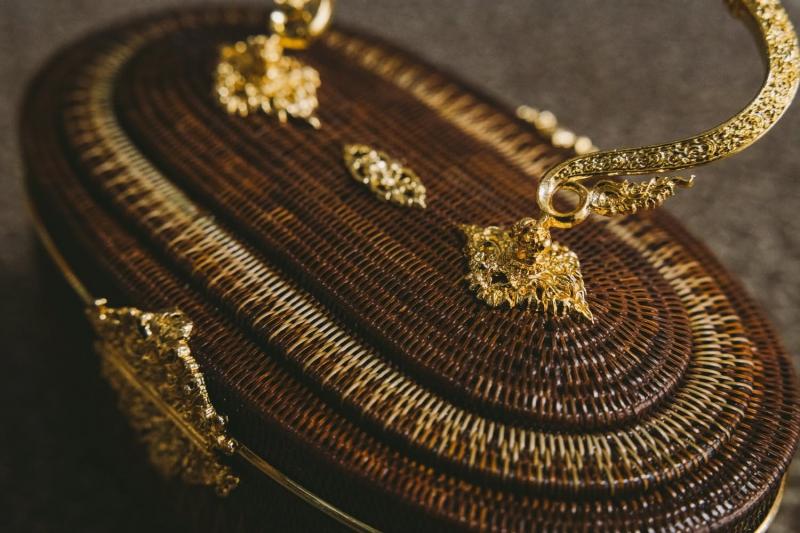
เมื่อสานเสร็จแล้ว ผลิตภัณฑ์จะถูกนำมาขัดผิว เก็บรายละเอียด และเคลือบเงาเพื่อเพิ่มความคงทนและความสวยงาม สมัยโบราณนิยมใช้น้ำมันยางใสในการเคลือบผิวเพื่อป้องกันมอดและแมลงกัดกิน ก่อนนำไปตกแต่งเพิ่มเติมด้วยวัสดุมีค่า เช่น เครื่องถมเงิน ถมทอง หรือการบุผ้า เพื่อยกระดับให้ผลิตภัณฑ์มีความวิจิตรและมีมูลค่าสูงขึ้น จนกลายเป็นงานหัตถศิลป์ที่ได้รับความนิยมทั้งในฐานะเครื่องใช้ ของสะสม และของที่ระลึก
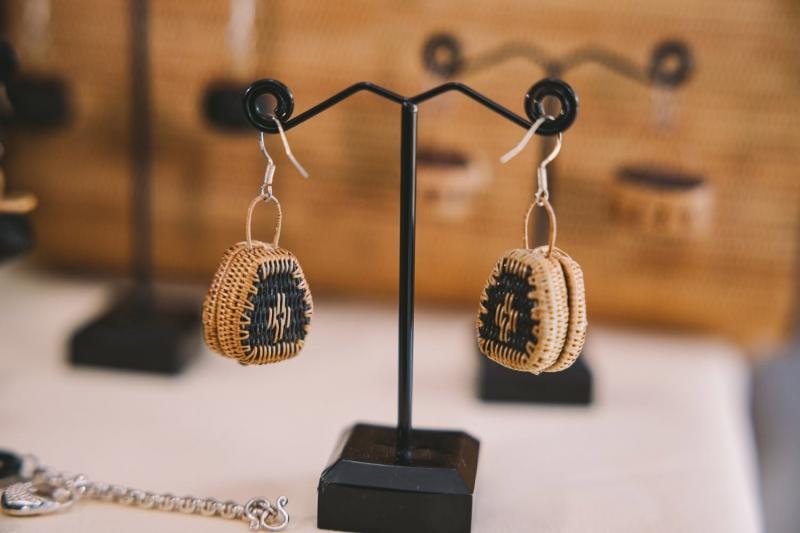
งานจักสานย่านลิเภาแสดงให้เห็นถึงฝีมืออันประณีตและความอุตสาหะของช่างผู้ผลิต ซึ่งสร้างความภาคภูมิใจแก่ผู้ครอบครอง นอกจากนี้ ในปัจจุบันยังมีการพัฒนารูปแบบผลิตภัณฑ์และสร้างสรรค์ลวดลายใหม่ ๆ ให้เหมาะสมกับการใช้งานในยุคสมัย รวมทั้งพัฒนาเป็นผลิตภัณฑ์ของที่ระลึกที่สะท้อนเอกลักษณ์ทางวัฒนธรรมของภาคใต้อีกด้วย
"Yan Li Phao: From Strands into Valuable Works of Art” An element inscribed on the one of Thailand’s National Intangible Cultural Heritage list in 2009 under the category of traditional craftsmanship
Yan Li Phao basketry is a form of traditional basketry crafted from Yan Li Phao (Lygodium fern), a species of climbing fern vine locally known in Southern Thailand as "Yan.” Its vine is notably sturdy and durable, making it well suited for weaving into various household utensils and containers. The major production area of Yan Li Phao basketry is Ban Mon, Tha Ruea Sub-district, Mueang Nakhon Si Thammarat District, Nakhon Si Thammarat Province.
The production process of Yan Li Phao basketry starts with splitting vines into fine strips and smoothing them into even strands. The strands are then woven onto frames made of rattan and bamboo to create various household utensils and containers, such as Kracho (baskets), Chian Mak (betel nut boxes), tobacco boxes, trays, teapot holders, ceremonial offering bowls, bird cages, and handbags. In addition to the intricate weaving patterns, the natural colours of the Yan Li Phao strands and the warp strips made from bamboo or Mai Ling Ro (Ling Ro woods) contribute to the distinctive beauty of the craft through their harmonious contrasting tones. In some pieces, silver and gold nielloware decorations are added to further enhance the value, elegance, and refinement of Yan Li Phao basketry.
Furthermore, Yan Li Phao basketry can be crafted in both openwork and solid weaving styles, each requiring different weaving techniques. The solid weaving style, in particular, demands a high level of skill and precision, as it involves shaping rattan frames and meticulously weaving each Yan Li Phao strand by hand. Artisans also use "Bao” (a wooden mould) to control the form and proportions of the piece, ensuring balance and elegance in its final shape. During this process, craftsmen create distinctive woven patterns on the products, such as Geometric floral patterns, pineapple-eye patterns, crystal bead patterns, melon-seed patterns, mudmee silk patterns, and starburst patterns. These elaborate designs reflect the creativity and unique artistic identity of Southern local culture.
Once the weaving process is completed, the products will be polished, refined in detail, and coated to enhance their durability and appearance. In the past, clear resin oil was traditionally applied to protect the surface from wood borers and other insects. The finished pieces may then be further decorated with valuable materials such as silver and gold nielloware or fabric lining, enhancing their elegance, refinement, and value. As a result, Yan Li Phao basketry has become widely appreciated not only as functional household items, but also as collectible handicrafts and cultural souvenirs.
Yan Li Phao basketry reflects the exquisite craftsmanship, patience, and dedication of its artisans, bringing a sense of pride to those who own and appreciate the pieces. Nowadays, the craft continues to evolve through the development of new product designs and decorative patterns that suit contemporary lifestyles and uses. Yan Li Phao basketry has also been adapted into various souvenir products that reflect the unique cultural identity of Southern Thailand. |
|
|
 |
|
|
 |
|
|
 |
| ลิขสิทธิ์ของ กรมส่งเสริมวัฒนธรรม กระทรวงวัฒนธรรม สำหรับใช้ประโยชน์เพื่อเผยแพร่ศิลปวัฒนธรรมและการศึกษา |
| นโยบายเว็บไซต์ | นโยบายการคุ้มครองข้อมูลส่วนบุคคล | นโยบายการรักษาความมั่นคงปลอดภัยของเว็บไซต์ | การปฏิเสธความรับผิด (Disclaimer) |