 |
|
|||||||||



| ข่าวสาร >> บทความ >> ICH |
โนรา : ศิลปะการร้อง รำ ที่ผูกพันกับชีวิต วันที่ 4 มิ.ย. 2569 |
|
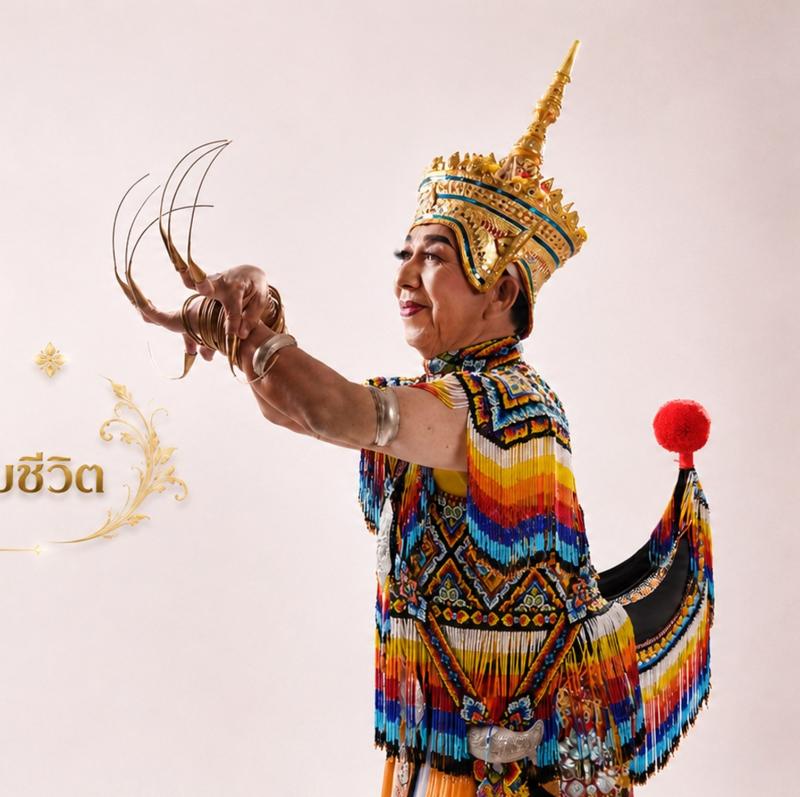
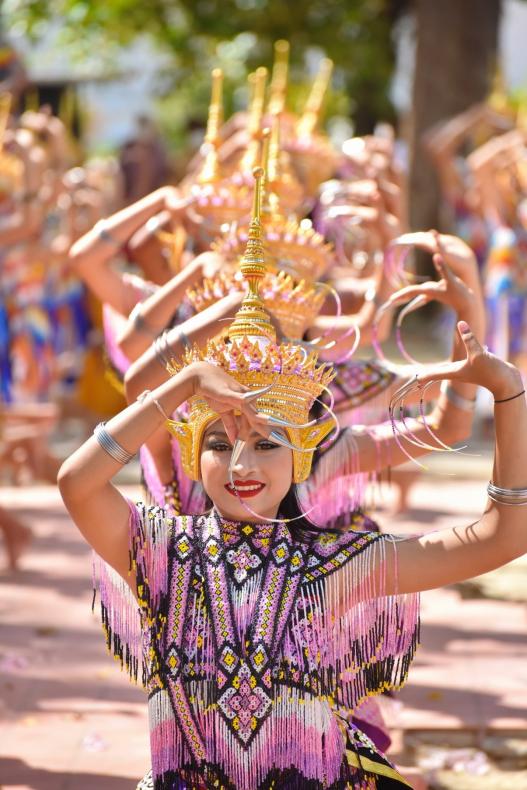
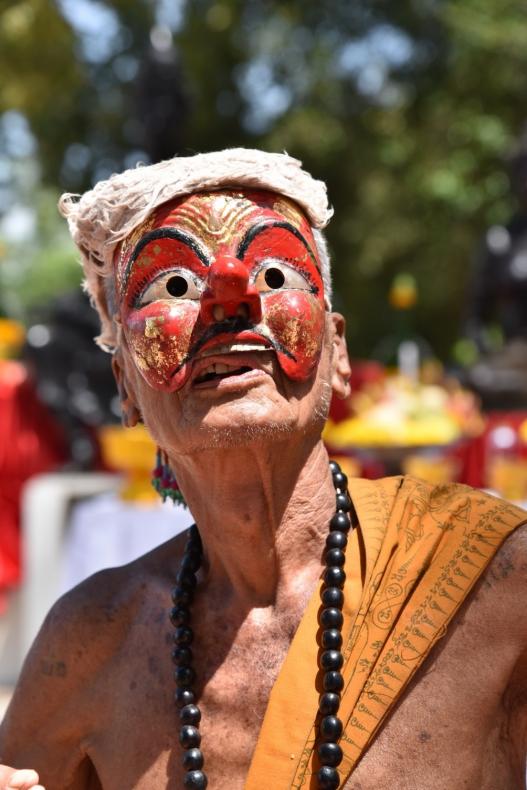
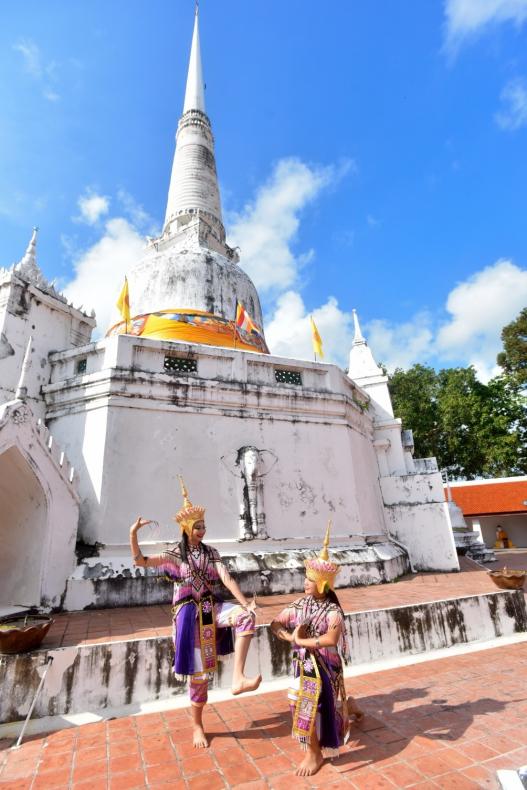
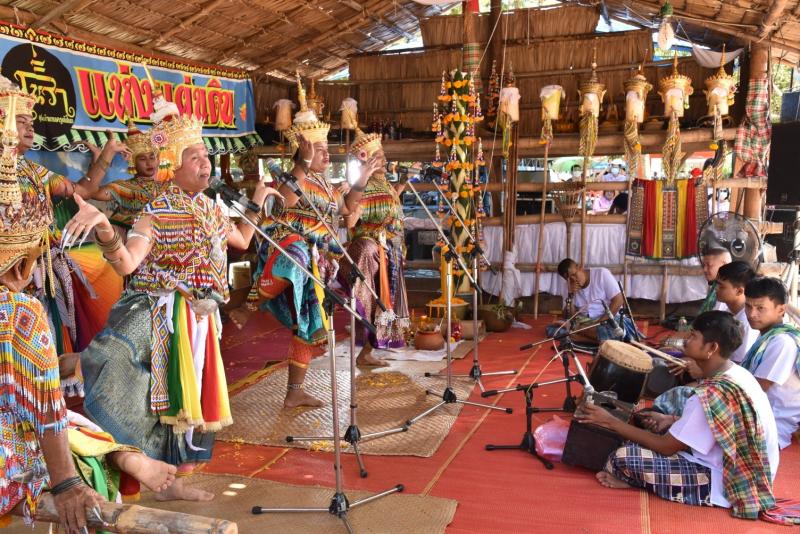
โนรา หรือ มโนราห์ เป็นศิลปะการแสดงท้องถิ่นที่ผูกพันกับวิถีชีวิตของคนใต้มาช้านาน เป็นการแสดงที่มีแบบแผนการร่ายรำและขับร้องที่งดงามเป็นเอกลักษณ์เฉพาะถิ่น มีดนตรีเป็นลูกคู่ เล่นรับ-ส่งตลอดการแสดง ผู้รำโนราสวมเครื่องแต่งกายที่ทำด้วยลูกปัดหลากสี สวมปีกหางคล้ายนก เทริดทรงสูง ต่อเล็บยาวทำด้วยโลหะ การแสดงโนราเป็นที่นิยมและถือปฏิบัติแพร่หลายในชุมชนรอบ ๆ ทะเลสาบสงขลา อีกทั้งแพร่กระจายความนิยมไปตลอดสองฟากฝั่งของคาบสมุทรอินโดจีน ทางตอนเหนือมีคณะโนราแสดงขึ้นไปถึงจังหวัดประจวบคีรีขันธ์ ส่วนทางตอนใต้มีคณะโนราสองภาษาที่ยังคงแสดงอยู่ในเขตสามจังหวัดภาคใต้และมีการแสดงของชุมชนไทยในรัฐตอนเหนือของสหพันธรัฐมาเลเซีย ได้แก่ กลันตัน เกดาห์ ปะลิส และ ปีนัง
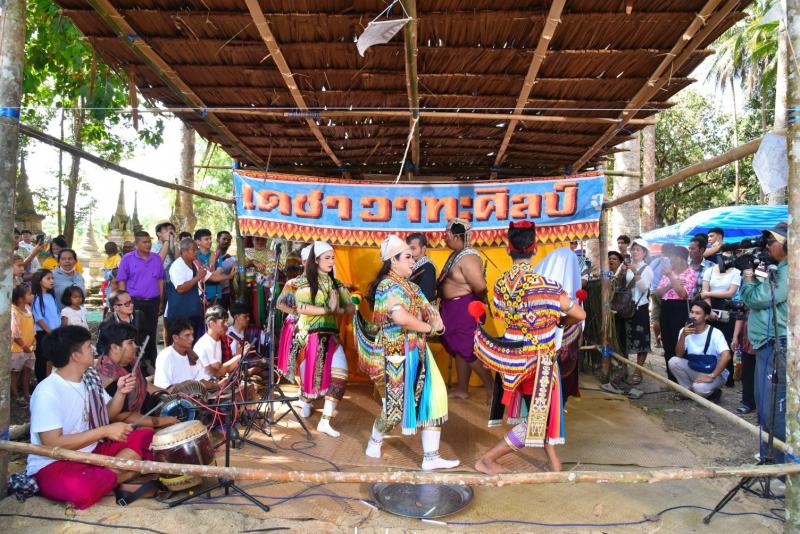
โนรามีรากสืบทอดมาจากความเชื่อและพิธีกรรมบูชาครูและบรรพบุรุษ ผู้สืบเชื้อสายโนราจะรวมตัวกันเพื่อประกอบพิธีบูชาบรรพบุรุษของตน ขจัดปัดเป่าสิ่งชั่วร้าย โดยพิธีกรรมโนราเป็นสื่อที่ใช้ศิลปะในการเชื่อมต่อประเพณีความเชื่อที่รับสืบทอดจากบรรพบุรุษมาสู่คนรุ่นปัจจุบัน พิธีกรรมนี้ยังเป็นการไหว้ครูและประกอบพิธีครอบโนรารุ่นใหม่ รวมถึงรักษาโรคภัย แก้บน เสริมสร้างขวัญกำลังใจให้กับบุคคลผู้สืบเชื้อสาย ครอบครัว และชุมชนที่สนใจ ตลอดจนช่วยอำนวยอวยพรให้แก่ผู้เข้าร่วมพิธีทุกคน
ทั้งนี้ ก่อนที่โนราจะทำพิธีกรรมได้ จะต้องผ่านพิธีครอบเทริด เพื่อรับรองและประกาศความรู้ความสามารถของนายโรงโนราคนใหม่ให้เป็นที่รับรู้ของชุมชน โนราเป็นความรู้ที่สืบต่อกันของชาวบ้าน สืบทอดขั้นตอนในการร้อง ร่ายรำ ความรู้ทางอาคมคาถาในการรักษาโรคภัยไข้เจ็บ เพื่อใช้ในการรักษาดูแลป้องกัน ตนเอง ครอบครัวและชุมชน โนราใหญ่ผู้ผ่านการครอบเทริดแล้ว จะมีหน้าที่ในการช่วยเหลือผู้คน ในชุมชนผ่านการร่ายรำโนรา ทำให้โนราใหญ่ต้องประพฤติปฏิบัติ ถูกต้องถือเป็นสิ่งจะตลอดชีวิต และบวชเป็นพระภิกษุในพุทธศาสนา เพื่อพร้อมเป็นนายโรงโนราคนใหม่ หลังจากนั้นต้องทำการแสดง ให้เป็นที่รับรู้ "สามวัดสามบ้าน” จากนั้นนายโรงโนราคนใหม่ก็สามารถตั้งคณะโนรา และเป็นผู้ประกอบพิธีกรรมโนราครูให้กับชุมชนได้ การตั้งต้นเป็นนายโรงโนราตามแบบแผนเช่นนี้ ทำให้การเป็นนายโรงโนราเป็นส่วนหนึ่งของประวัติและวัฏจักรของตำนานโนรา
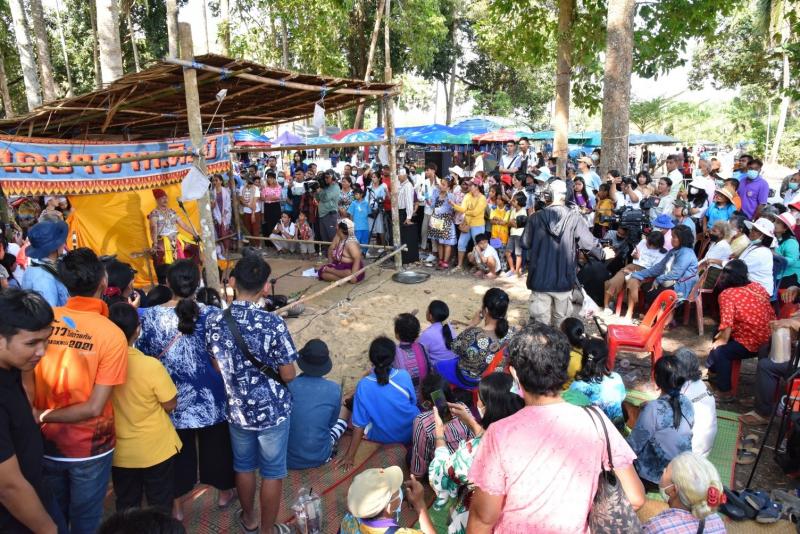
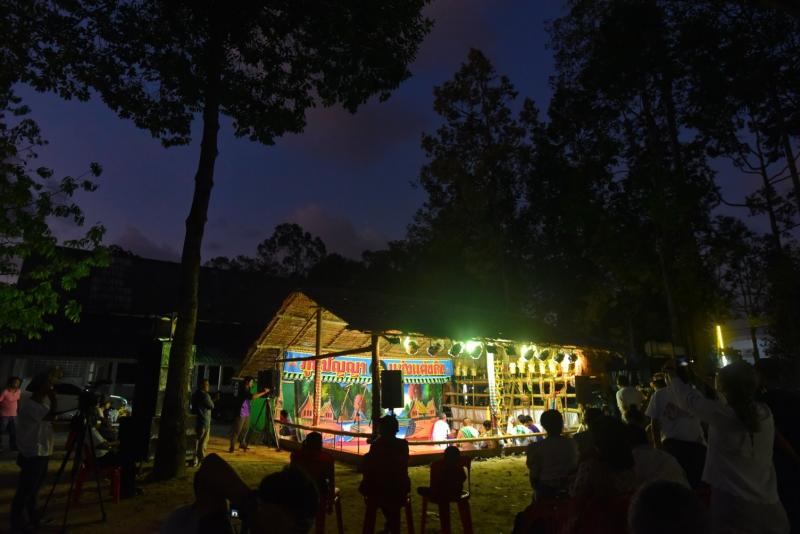
ท่ามกลางความเปลี่ยนแปลงของยุคสมัย วัฒนธรรมโนรายังได้รับความนิยมไม่เสื่อมคลาย ยังคงมีพิธีกรรมการแสดงโนราโรงครูในชุมชน เป็นการบ่งบอกอัตลักษณ์ท้องถิ่นของคนใต้ ชุมชนมีความชื่นชมและประทับใจในศิลปะของโนรา มีการสืบทอดการแสดงเช่นเดียวกับโนราในอดีต นายโรงโนรายังคงร่ายรำและขับร้องในชุดลูกปัดที่งดงามและสร้างสรรค์การแสดงใหม่ ๆ สำหรับชุมชนของโนราและในโลกที่กว้างไกล เฉกเช่นกับการแสดงแบบโบราณอื่น ๆ ในหลายพื้นที่ของโลกที่มีความเกี่ยวพันคล้ายคลึง การแสดงโนรายังคงพัฒนาเปลี่ยนแปลงต่อไปและยังคงได้รับความนิยมสูงจากผู้คนในภาคใต้ แม้ว่าการแสดงโนราในบางแง่มุมจะเปลี่ยนไปในทิศทางใหม่ แต่ความซับซ้อนทางศิลปะยังสามารถสะท้อนเรื่องราวของผู้ที่แตกต่าง ผู้ที่มาเยี่ยมเยือน การสร้างการยอมรับนับถือ การสืบทอด แนวปฏิบัติตนของผู้คน และการเชื่อมต่อของชุมชนที่มีศรัทธาเดียวกันได้ ผู้ชมในท้องถิ่นยังคงใช้โนราเป็นสื่อในการปฏิบัติตนตามความเชื่อ ความศรัทธาที่มีต่อบรรพชนตามขนบพิธีกรรมที่มีแบบแผนเคร่งครัด แต่ขณะเดียวกัน ก็ยังรอคอยการแสดงโนราที่สนุกสนาน ทั้งที่เป็นการแสดงบนเวทีและการแสดงผ่านสื่อต่าง ๆ ที่อึกทึก เร้าใจ ด้วยการร่ายรำ การขับร้อง การด้นสดที่คมคายและเรื่องราวที่ทันสมัย
ในวันนี้ ผู้คนรู้จักโนราในฐานะที่เป็น "มหรสพการแสดงที่งดงาม ทรงพลัง และมีชีวิตชีวา” เป็น "นาฏยลักษณ์ของคนใต้” การแสดงประกอบไปด้วยการร่ายรำที่แข็งแรง กระฉับกระเฉง การขับกลอนด้วยท่วงทำนองที่ไพเราะ ใช้ปฏิภาณในการด้นกลอนสด และเจรจาด้วยสำเนียงท้องถิ่นใต้ มีลูกคู่และดนตรีร้องรับด้วยจังหวะที่คึกคักฉับไว
โนราขึ้นบัญชีมรดกภูมิปัญญาทางวัฒนธรรมของชาติ ประจำปีพุทธศักราช 2552 ในสาขาศิลปะการแสดง และโนรา (Nora, dance drama in southern Thailand) ขึ้นทะเบียนเป็นรายการที่เป็นตัวแทนมรดกวัฒนธรรมที่จับต้องไม่ได้ของมนุษยชาติในปีพุทธศักราช 2564
Nora : A Living Dance Tradition of Southern Thailand
Nora or Manorah is a widespread tradition of folk performance that has long been a part of community life in Southern Thailand. At the heart of the tradition is a unique type of dance-drama done by performers wearing colourful beaded, bird costumes with ornate crowns, long removable metal nails and decorative tails as they dance and sing expressly with the rhythmic of a small ensemble. This complex tradition has been centered the towns and villages around Songkhla Lake, from where it spread north to Prachuap Khirikhan province in modern Thailand and south along the Malay peninsula to Kelantan, Kedah, Perlis and Penang states with migrating Thai families.
Nora derives from community rituals in Southern Thailand that assemble families who perform Nora to honour their former Nora masters and expel harmful spirits. As a central part of a vital community ritual performance, Nora helps the community to re-connect to its ancestors, to keep strong and to reconstitute itself by initiating new Nora dancers, healing illnesses, reconciling communal disorders and blessing all participants.
Before Nora masters can perform Rong Khru rituals for their ancestors and communities, they need to be trained in dance, singing, and the use of special incantations, before being initiated by other Nora masters into the Nora tradition. Some of those trained in the arts of Nora choose to become Nora masters, which is a lifetime commitment. To realize their choice, they first must prove themselves worthy, partly by being ritually given a special "crown” (called a "Serd”) by other Nora masters, and partly by being ordained as a Buddhist monk for some time and by performing rituals in the community. This marks their full entry as a Nora master to the community. Once thus initiated, Nora masters are called "Nora Yai” or "Nora Raja Khru” and can perform rituals for their communities as "Nai Rong” who lead Nora troupes they organize.
Amid these and other changes, Nora continues to be performed by Nora masters in community ceremonies as a strong marker of local identity in Southern Thailand. Since local audiences and communities still appreciate the distinctive beauty of the Nora arts, they are still transmitted and performed in these communities as in the past. Nora masters dance and sing in their beaded costumes, and to innovate their art both in their communities and in the wider world with which their communities are now more deeply entwined. Nora performances continue to evolve and remain highly popular with many people in Southern Thailand. Some aspects of Nora performances have changed as Nora evolves in new directions, but the complex art helps to reflect the story of the different people who admire and revere its changing role in their communities.
Today, most people identify Nora with the powerful, yet lively, performance tradition that embodies the elegant culture of Southern Thai people. Nora performers gracefully move through angular poses while singing responsively with accompanying musicians in a southern Thai dialect, often improvising live verses and dialogues for their audiences.
Nora, dance drama in southern Thailand, was inscribed on Thailand’s National Inventory of Intangible Cultural Heritage in 2009, and subsequently on the UNESCO Representative List of the Intangible Cultural Heritage of Humanity in 2021. |
|
|
 |
|
|
 |
|
|
 |
| ลิขสิทธิ์ของ กรมส่งเสริมวัฒนธรรม กระทรวงวัฒนธรรม สำหรับใช้ประโยชน์เพื่อเผยแพร่ศิลปวัฒนธรรมและการศึกษา |
| นโยบายเว็บไซต์ | นโยบายการคุ้มครองข้อมูลส่วนบุคคล | นโยบายการรักษาความมั่นคงปลอดภัยของเว็บไซต์ | การปฏิเสธความรับผิด (Disclaimer) |