 |
|
|||||||||



| ข่าวสาร >> บทความ >> ICH |
“ทำขวัญข้าว ความผูกพันระหว่างคนกับธรรมชาติ” รายการที่ได้รับการขึ้นบัญชีมรดกภูมิปัญญาทางวัฒนธรรมของชาติ สาขาแนวปฏิบัติทางสังคม พิธีกรรม ประเพณี และเทศกาล เมื่อปี พ.ศ. 2554 วันที่ 21 พ.ค. 2569 |
|
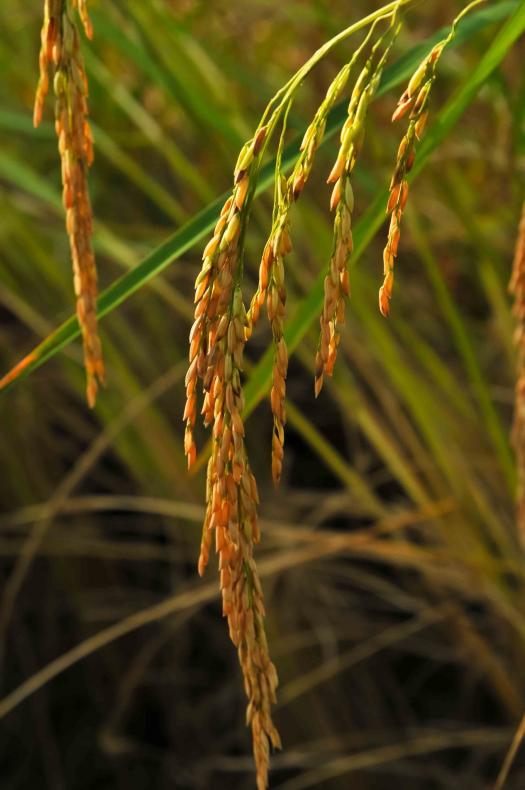
"ประเพณีทำขวัญข้าว” เป็นพิธีกรรมสำคัญของชาวนาไทยที่สืบทอดกันมาอย่างยาวนาน โดยเกิดจากความเชื่อว่า ต้นข้าวมี "ขวัญ” หรือสิ่งศักดิ์สิทธิ์คุ้มครองที่เรียกว่า "แม่โพสพ” หรือ "แม่ขวัญข้าว” ผู้คอยดูแลให้ต้นข้าวเจริญงอกงาม ออกรวงสมบูรณ์ และให้ผลผลิตอุดมสมบูรณ์ หากขวัญข้าวหนีหาย เชื่อว่าข้าวจะไม่สมบูรณ์หรือให้ผลผลิตไม่เพียงพอต่อการดำรงชีวิต ชาวนาจึงปฏิบัติต่อข้าวด้วยความเคารพและความกตัญญู เพราะข้าวคือสิ่งหล่อเลี้ยงชีวิตของผู้คนมาตั้งแต่อดีต
ประเพณีนี้พบได้ในทุกภาคของประเทศไทย แม้จะมีชื่อเรียกและรูปแบบแตกต่างกันไป เช่น ภาคกลางและภาคใต้เรียกว่า "ทำขวัญข้าว” ในขณะที่ภาคเหนือและภาคอีสานเรียกว่า "เรียกขวัญข้าว” แต่ในทุกพื้นที่มีจุดมุ่งหมายเดียวกัน คือ การเชิญขวัญแม่โพสพให้ปกปักรักษาข้าวและสร้างความเป็นสิริมงคลแก่ชาวนา
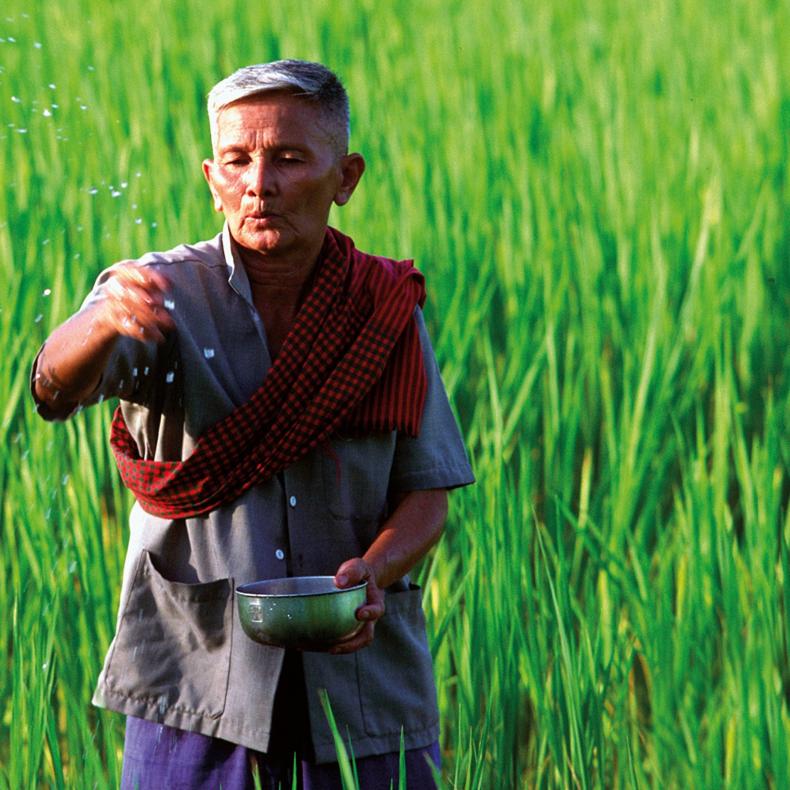
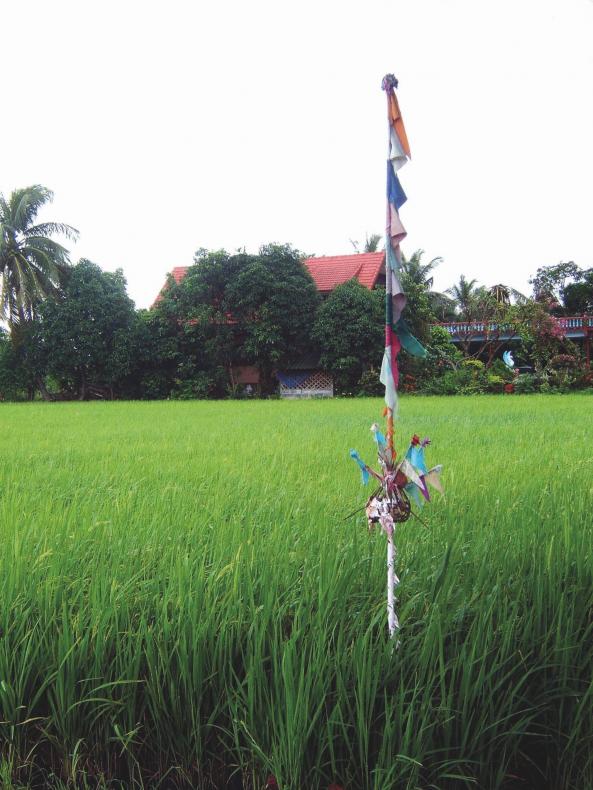
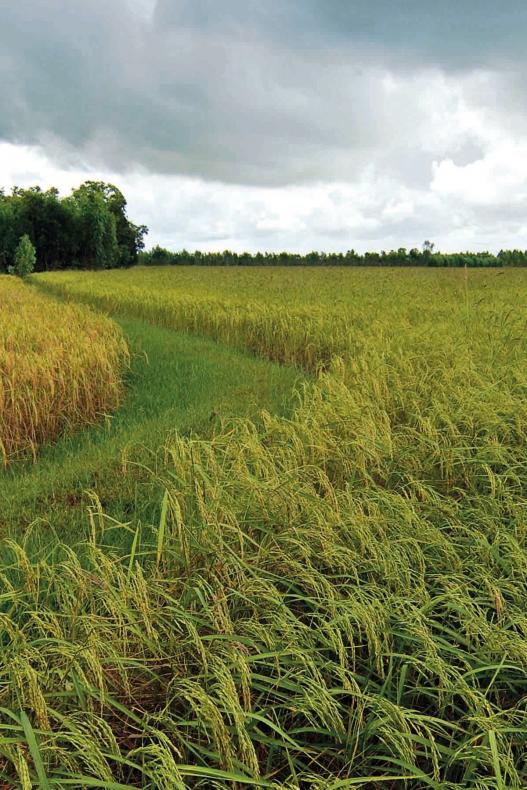
ในอดีต เมื่อเข้าสู่ช่วงที่ต้นข้าวกำลังตั้งท้อง ชาวนาเชื่อว่าแม่โพสพเปรียบเสมือนหญิงมีครรภ์ จึงต้องเอาใจใส่เป็นพิเศษ มีการจัดเครื่องสังเวยทั้งของคาวหวาน ผลไม้ หมากพลู น้ำอบ แป้ง หวี ผ้าซิ่น และเครื่องใช้ต่าง ๆ ไปประกอบพิธีในทุ่งนา ผู้ประกอบพิธีมักเป็นผู้หญิงเจ้าของนา ซึ่งจะกล่าวคำเชื้อเชิญด้วยถ้อยคำอ่อนโยน ไพเราะ พร้อมทั้งประแป้ง พรมน้ำอบ และผูกสายสิญจน์ที่รวงข้าว เพื่อให้แม่โพสพพึงพอใจและช่วยดูแลต้นข้าวให้สมบูรณ์
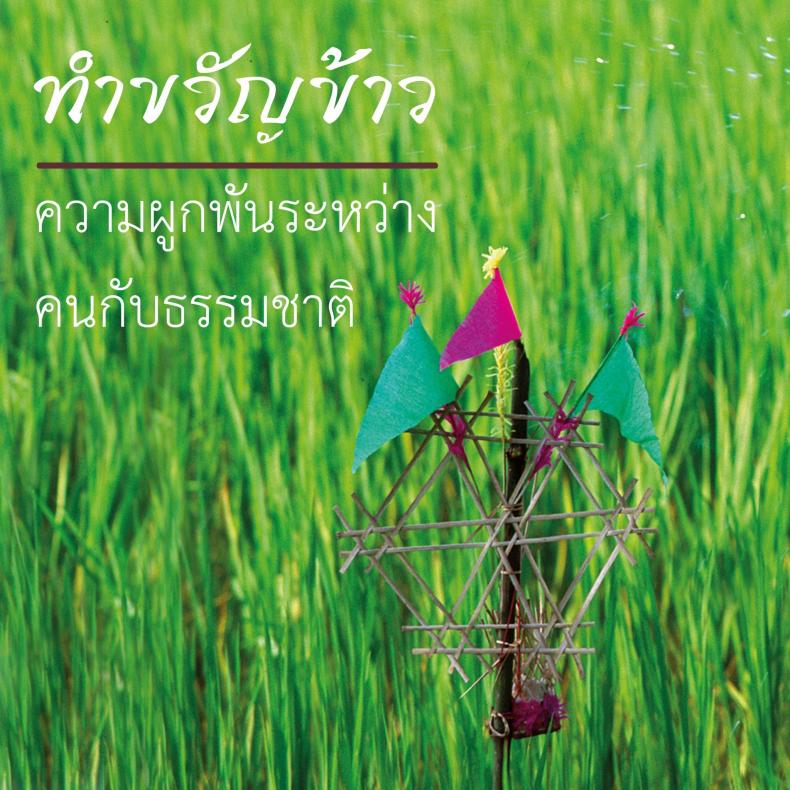
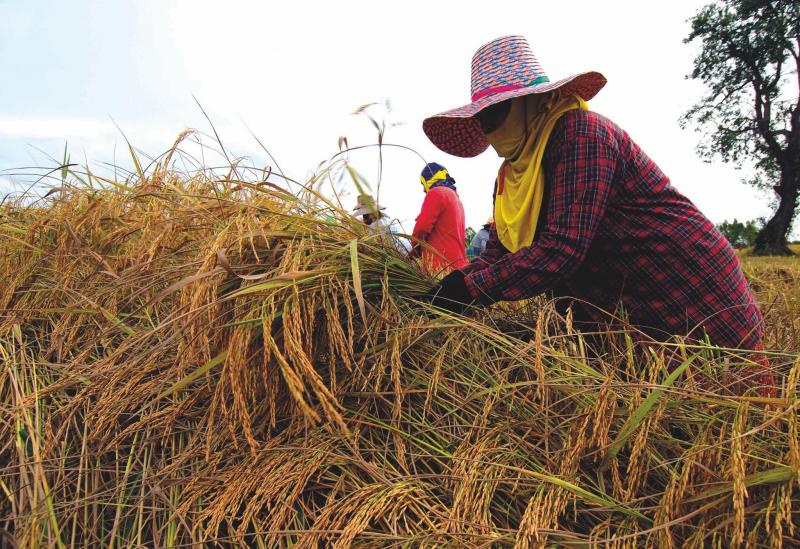
หลังฤดูเก็บเกี่ยว ชาวนาทุกภาคจะมีพิธีรับขวัญข้าวก่อนนำข้าวขึ้นยุ้ง เพราะเชื่อว่าในระหว่างการเกี่ยวหรือนวดข้าวนั้น ขวัญของแม่โพสพอาจตกใจหนีหาย จึงต้องเชิญกลับมาอยู่กับเมล็ดข้าวอีกครั้ง เพื่อคุ้มครองข้าวในยุ้งฉางให้ปลอดภัยและมีข้าวกินตลอดปี บางพื้นที่มีการนำรวงข้าวมาผูกรวมเป็นหุ่นแทนแม่โพสพ พร้อมจัดเครื่องเซ่นและกล่าวคำอัญเชิญให้กลับมาอยู่กับลูกหลาน จากนั้นจึงนำเข้าสู่ลานนวดข้าวและยุ้งฉางตามลำดับ ถือเป็นทั้งพิธีแห่งความเชื่อ ความผูกพันระหว่างคนกับธรรมชาติ และการแสดงความกตัญญูต่อผืนดินและรวงข้าว
นอกจากจะเป็นพิธีกรรมเพื่อความเป็นสิริมงคลแล้ว การทำขวัญข้าวยังสะท้อนวิถีชีวิต ความศรัทธา และจิตวิญญาณของชาวนาไทยที่ผูกพันกับธรรมชาติอย่างลึกซึ้ง อีกทั้งยังเป็นช่วงเวลาแห่งการสร้างขวัญกำลังใจให้ผู้ปลูกข้าวหลังเหน็ดเหนื่อยจากการทำนามาตลอดทั้งปี
ปัจจุบัน แม้ประเพณีทำขวัญข้าวยังคงมีอยู่ในบางพื้นที่ แต่รูปแบบพิธีได้เปลี่ยนแปลงไปตามยุคสมัย เนื่องจากการใช้เทคโนโลยีและเครื่องจักรทางการเกษตร ทำให้หลายขั้นตอนถูกย่นย่อหรือเหลือเพียงการบอกกล่าวและบนบานแทนพิธีเต็มรูปแบบ บางชุมชนนำพิธีนี้มาผสมผสานกับงานบุญ ผ้าป่าข้าวเปลือก หรืองานประจำปีของวัด รวมถึงจัดเป็นกิจกรรมอนุรักษ์วัฒนธรรมและการท่องเที่ยว เพื่อให้คนรุ่นใหม่ได้เรียนรู้รากเหง้าทางวัฒนธรรมของไทย
แม้กาลเวลาจะเปลี่ยนไป แต่ "ประเพณีทำขวัญข้าว” ยังคงเป็นมรดกทางภูมิปัญญาที่สะท้อนความสัมพันธ์ระหว่างคนกับข้าว ซึ่งไม่ได้เป็นเพียงอาหาร หากแต่เป็นหัวใจของวิถีชีวิตและจิตวิญญาณของชาวนาไทยอย่างแท้จริง โดยประเพณีทำขวัญข้าวได้รับการขึ้นทะเบียนเป็นมรดกภูมิปัญญาทางวัฒนธรรมของชาติ เมื่อปีพุทธศักราช 2554 อีกด้วย
"Tham Khwan Khao: The Bond Between People and Nature” An element inscribed on the one of Thailand’s National Intangible Cultural Heritage list in 2011 under the category of social practices, rituals, and festive events
"Tham Khwan Khao” (The Rice-Beckoning Ceremony) is an important traditional ritual passed down through generations of Thai farmers. It is rooted in the belief that rice plants possess a spiritual essence or guardian spirit known as "Mae Phosop” (the Rice Goddess) or "Mae Khwan Khao” (the Spirit of Rice), who protects the rice, ensuring it grows strong, produces full grains, and yields abundant harvests. It is believed that if this spirit leaves the fields, the rice will not thrive or produce enough for the people’s livelihood. For this reason, Thai farmers treat rice with deep respect and gratitude, as it has long been the foundation of life and sustenance for Thai people since ancient times.
This tradition can be found in every region of Thailand, although it is known by various names and practiced in different forms. In Central and Southern Thailand, it is called "Tham Khwan Khao,” while in Northern and Northeastern Thailand, it is known as "Riak Khwan Khao” (Rice Spirit Calling). Despite these regional differences, all forms of the ritual share the same purpose: to invite the spirit of Mae Phosop to protect the rice and bring prosperity and good fortune to the farmers.
In the past, when rice plants began to develop young grains, farmers believed that Mae Phosop was like a pregnant woman who required special care and attention. Offerings such as savoury dishes, sweets, fruits, betel nuts and leaves, scented water, powder, combs, traditional sarongs, and various household items were prepared and brought to the rice fields for the ritual. The ceremony was usually conducted by the female owner of the rice field, who would speak gentle and respectful words of invitation to the Rice Goddess. She would also apply powder, sprinkle scented water, and tie sacred threads around the rice stalks to please Mae Phosop and ask for her blessing in protecting the rice so that it would grow healthy and abundant.
After the harvest season, farmers in every region of Thailand perform a rice spirit welcoming ritual before storing the rice in the granary. They believe that during harvesting or threshing, the spirit of Mae Phosop may become frightened and leave the rice. Therefore, the ritual is performed to invite her spirit back into the rice grains once again, so that she may continue to protect the harvest and ensure that there will be enough rice throughout the year. In some communities, rice stalks are tied together to create a symbolic figure representing Mae Phosop. Offerings are prepared, and prayers are recited to invite her to return and stay with the family and community. The symbolic figure is then brought to the threshing ground and later placed into the granary. More than just a ritual of belief, this tradition reflects the deep bond between people and nature, as well as the farmers’ gratitude toward the land and the rice that sustains their lives.
Beyond being a ritual for good fortune and prosperity, "Tham Khwan Khao” also reflects the way of life, faith, and spiritual beliefs of Thai farmers, whose lives have long been deeply connected to nature. It also serves as a meaningful moment of encouragement and emotional support for rice farmers after enduring the hardships of rice cultivation throughout the year.
Today, although the tradition of "Tham Khwan Khao” still exists in some areas, its practices have gradually changed over time. The use of modern agricultural technology and machinery has shortened many parts of the ritual process, and in some places, the ceremony has been reduced to simple prayers or symbolic offerings rather than a full traditional ritual. Some communities have adapted the ceremony by combining it with merit-making events, "Pha Pa Khao Plueak” (Rice Donation Ceremonies), or annual temple festivals. In other areas, the ritual is presented as part of cultural preservation activities and tourism programs, allowing younger generations to learn about and appreciate the cultural roots and traditional wisdom of Thailand.
Although times have changed, "Tham Khwan Khao” remains an invaluable cultural heritage that reflects the profound relationship between people and rice. Rice is not merely a source of food, but also the very heart of the way of life and spiritual identity of Thai farmers. In recognition of its cultural significance, the tradition of Tham Khwan Khao was officially inscribed on Thailand’s Intangible Cultural Heritage list in 2011.
ขอบคุณภาพจาก นิตยสาร สารคดี |
|
|
 |
|
|
 |
| ลิขสิทธิ์ของ กรมส่งเสริมวัฒนธรรม กระทรวงวัฒนธรรม สำหรับใช้ประโยชน์เพื่อเผยแพร่ศิลปวัฒนธรรมและการศึกษา |
| นโยบายเว็บไซต์ | นโยบายการคุ้มครองข้อมูลส่วนบุคคล | นโยบายการรักษาความมั่นคงปลอดภัยของเว็บไซต์ | การปฏิเสธความรับผิด (Disclaimer) |