 |
|
|||||||||



| ข่าวสาร >> บทความ >> ICH |
“ต้มยำกุ้ง” ได้รับการขึ้นทะเบียนเป็นรายการตัวแทนมรดกวัฒนธรรมที่จับต้องไม่ได้ของมนุษยชาติขององค์การยูเนสโก ในปี พ.ศ. 2567 วันที่ 14 พ.ค. 2569 |
|
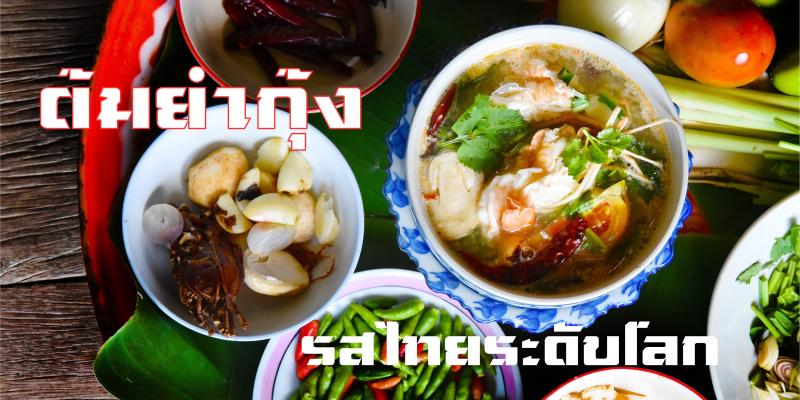
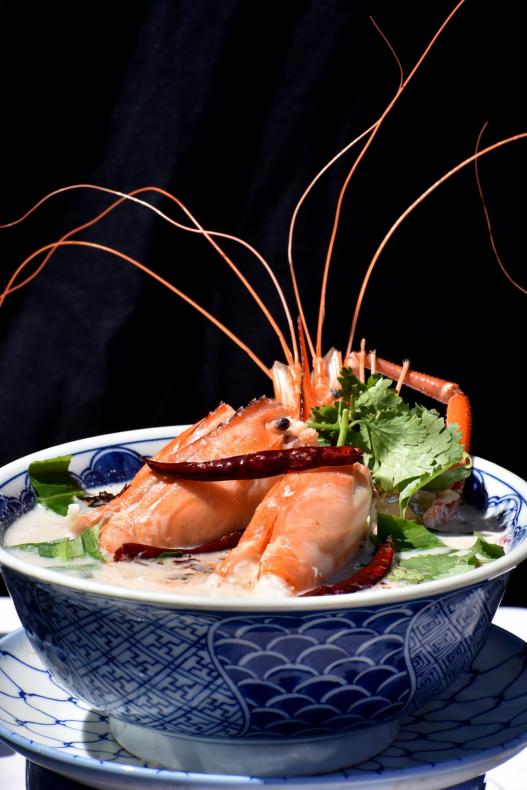
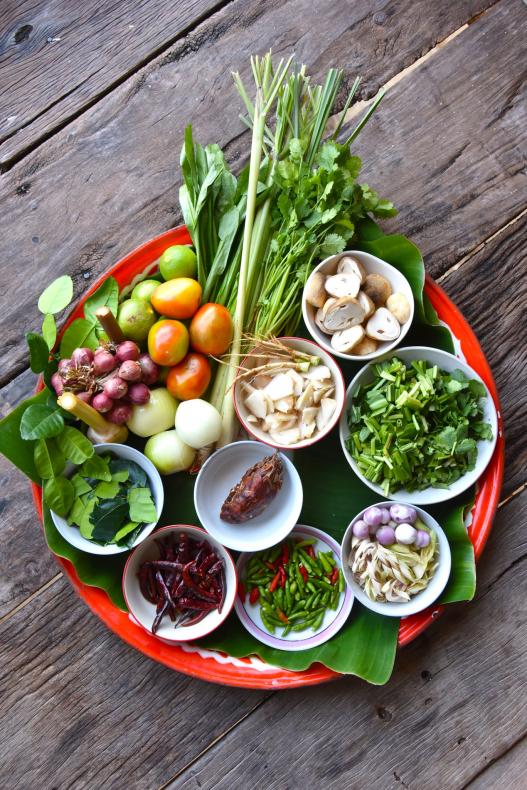
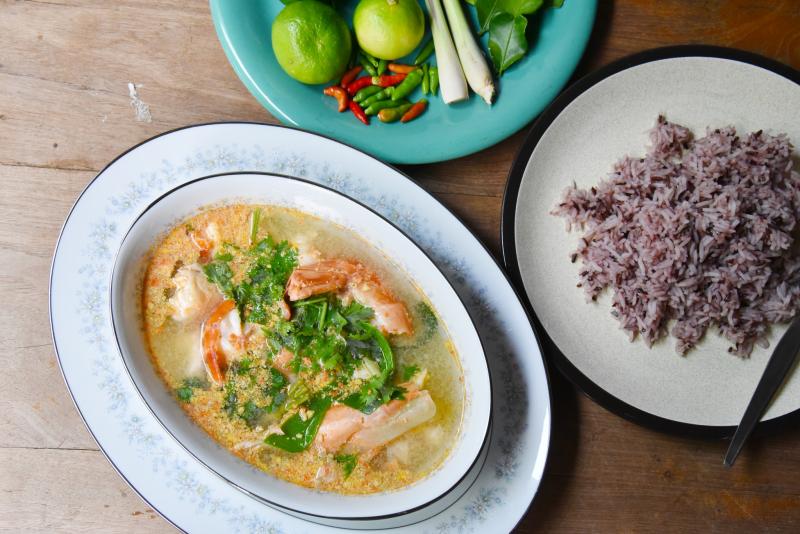
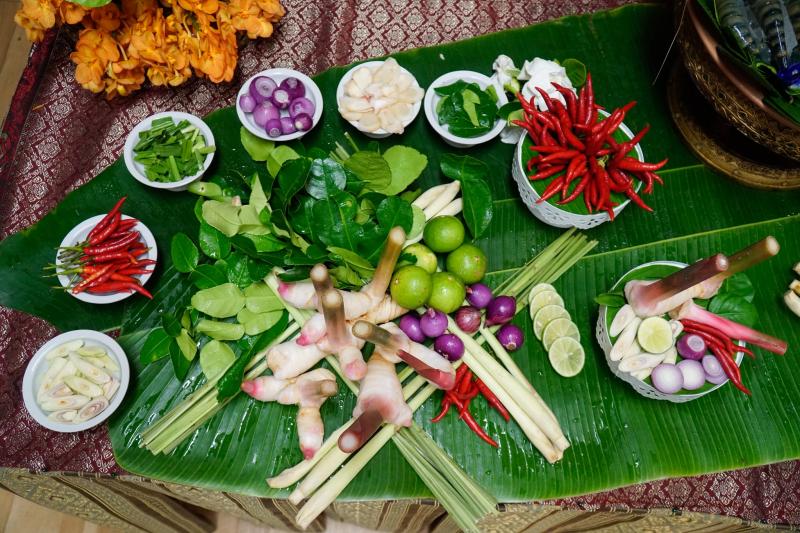
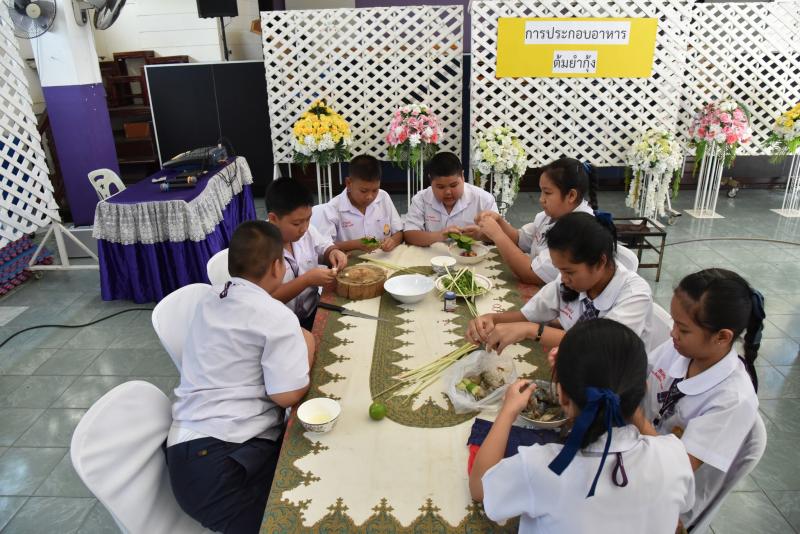
"ต้มยำกุ้ง” คืออาหารไทยประเภทซุปที่มีเอกลักษณ์โดดเด่นด้านรสชาติและกลิ่นหอมจากสมุนไพรไทย เกิดจากการนำ "กุ้ง” มาต้มในน้ำเดือดพร้อมสมุนไพร ได้แก่ ตะไคร้ ข่า ใบมะกรูด หอมแดง และพริก ก่อนปรุงรสแบบ "ยำ” ด้วยมะนาวและน้ำปลา จนเกิดรสชาติที่ผสมผสานอย่างลงตัว ทั้งเปรี้ยว เค็ม เผ็ด หอมสดชื่น และมีรสหวานธรรมชาติจากน้ำต้มกุ้ง ต้มยำกุ้งจึงไม่ใช่เพียงอาหารยอดนิยมของไทย แต่ยังเป็นเมนูที่สะท้อนภูมิปัญญาด้านอาหาร วิถีชีวิต และวัฒนธรรมของคนไทยมาอย่างยาวนาน จนในปี พ.ศ. 2567 ยูเนสโกได้ประกาศขึ้นทะเบียน "Tomyum Kung” เป็นตัวแทนมรดกทางวัฒนธรรมที่จับต้องไม่ได้ของมนุษยชาติ สร้างความภาคภูมิใจให้แก่คนไทยทั้งประเทศ
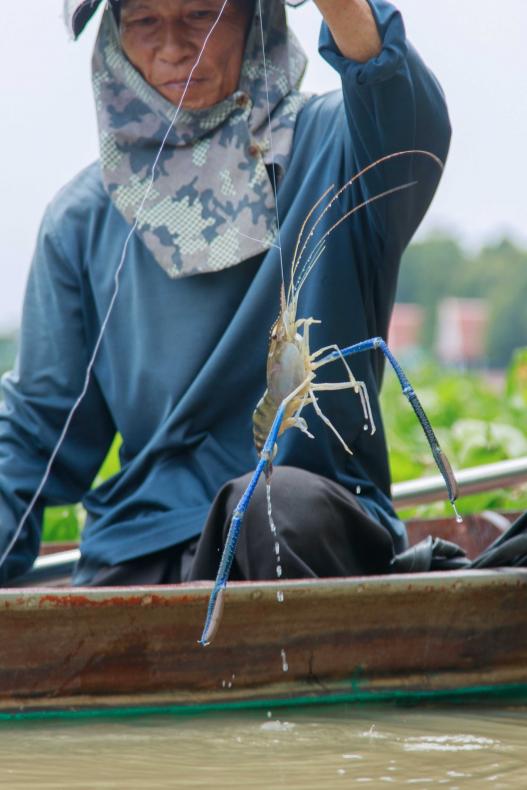
ต้มยำกุ้งมีรากฐานมาจากวิถีชีวิตของชุมชนเกษตรกรรมริมแม่น้ำในภาคกลางของประเทศไทย โดยเฉพาะบริเวณลุ่มแม่น้ำเจ้าพระยา ซึ่งเป็นพื้นที่อุดมสมบูรณ์ทั้งกุ้งน้ำจืดและพืชสมุนไพรพื้นบ้าน ผู้คนในอดีตนิยมใช้วัตถุดิบที่หาได้ง่ายจากธรรมชาติมาปรุงอาหารสำหรับรับประทานในครอบครัว สะท้อนวิถีชีวิตที่เรียบง่าย พึ่งพาตนเอง และอยู่ร่วมกับธรรมชาติอย่างสมดุล นอกจากนี้ ชุมชนชาวพุทธในอดีตยังนิยมหลีกเลี่ยงการฆ่าสัตว์ใหญ่ จึงเลือกใช้กุ้งแม่น้ำที่หาได้ตามฤดูกาลมาปรุงอาหาร ประกอบกับองค์ความรู้ด้านสมุนไพรไทย ทำให้เกิดเมนูต้มยำกุ้งที่ทั้งอร่อย ช่วยบำรุงร่างกาย และเหมาะกับการรับประทานในช่วงเปลี่ยนฤดูกาล
เสน่ห์สำคัญของต้มยำกุ้งอยู่ที่การผสมผสานรสชาติและสรรพคุณของสมุนไพรไทยอย่างลงตัว ตะไคร้ช่วยขับลมและบำรุงธาตุ ข่าช่วยเรื่องระบบทางเดินหายใจ ใบมะกรูดและหอมแดงช่วยเพิ่มกลิ่นหอมสดชื่น ขณะที่พริกและมะนาวช่วยกระตุ้นความอยากอาหารและเสริมภูมิคุ้มกัน จึงสะท้อนแนวคิด "อาหารเป็นยา” ของคนไทยมาตั้งแต่อดีต นอกจากนี้ ต้มยำกุ้งยังสามารถปรับเปลี่ยนวัตถุดิบได้ตามท้องถิ่นและความนิยมของผู้บริโภค จนเกิดเป็นต้มยำกุ้งน้ำใส ต้มยำกุ้งน้ำข้น รวมถึงสูตรสร้างสรรค์อีกมากมายทั้งในประเทศไทยและต่างประเทศ แสดงให้เห็นถึงพลังของวัฒนธรรมอาหารไทยที่มีชีวิตและพัฒนาอย่างต่อเนื่อง
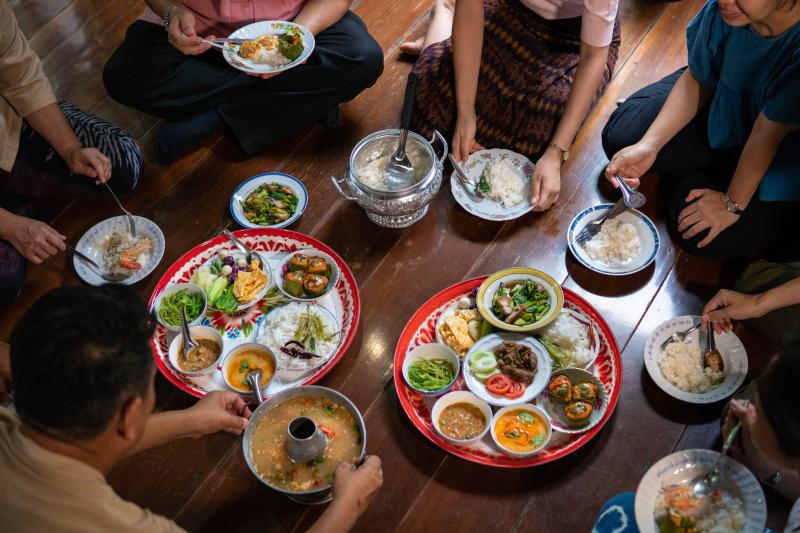
นอกจากคุณค่าด้านอาหาร ต้มยำกุ้งยังมีบทบาทสำคัญในวิถีชีวิตและความสัมพันธ์ของผู้คน ในอดีตครอบครัวไทยมักล้อมวงกินข้าวร่วมกัน โดยมีต้มยำกุ้งร้อน ๆ วางอยู่กลางสำรับ การ "กินข้าวหม้อเดียวกัน กินต้มยำชามเดียวกัน” ไม่เพียงสร้างความอิ่มท้อง แต่ยังสร้างความอบอุ่น ความผูกพัน และความทรงจำร่วมกันในครอบครัวและชุมชน ต้มยำกุ้งจึงเป็นมากกว่าอาหารหนึ่งจาน แต่เป็นตัวแทนของวัฒนธรรมการแบ่งปัน ความเรียบง่าย และการใช้ชีวิตอย่างพอเพียงของคนไทย
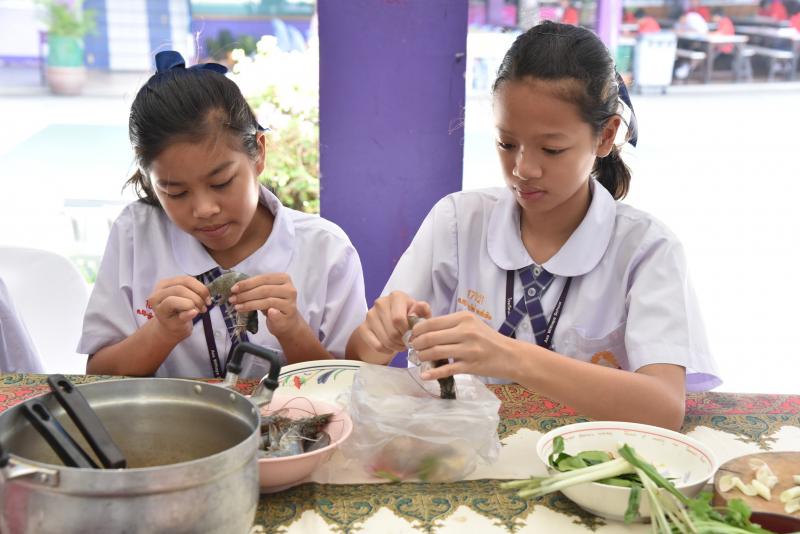
การที่ยูเนสโกขึ้นทะเบียนต้มยำกุ้งเป็นมรดกทางวัฒนธรรมที่จับต้องไม่ได้ของมนุษยชาติในปี พ.ศ. 2567 จึงไม่ใช่เพียงการยกย่องอาหารไทยที่มีชื่อเสียงระดับโลก แต่ยังเป็นการยอมรับคุณค่าของภูมิปัญญา วิถีชีวิต และความสัมพันธ์ระหว่างคนกับธรรมชาติที่สืบทอดต่อกันมาหลายชั่วอายุคน ต้มยำกุ้งจึงเปรียบเสมือน "สัญลักษณ์แห่งภูมิปัญญาไทย” ที่ถ่ายทอดเรื่องราวของวัฒนธรรมไทยผ่านรสชาติ กลิ่นหอม และความอบอุ่นบนโต๊ะอาหาร พร้อมสร้างแรงบันดาลใจให้คนรุ่นใหม่ร่วมอนุรักษ์และสืบสานมรดกทางวัฒนธรรมอันทรงคุณค่านี้ต่อไปในอนาคต
"Tomyum Kung” was inscribed on UNESCO’s Representative List of the Intangible Cultural Heritage of Humanity in 2024 "Tomyum Kung” (spicy prawn or shrimp soup) is a traditional Thai soup renowned for its distinctive flavours and fragrant Thai herbs. It is prepared by boiling "Kung” (prawn or shrimp) with herbs such as lemongrass, galangal, kaffir lime leaves, shallots, and chilli, before seasoning the soup in the style of a Thai "Yum” (mixing together) with lime juice and fish sauce. The result is a harmonious blend of sour, salty, spicy, and refreshing flavours, complemented by the natural sweetness of the prawn broth. More than just one of Thailand’s most popular dishes, Tomyum Kung reflects the country’s culinary wisdom, way of life, and cultural heritage that have been passed down through generations. In 2024, UNESCO officially inscribed "Tomyum Kung” on the Representative List of the Intangible Cultural Heritage of Humanity, bringing great pride to the Thai people nationwide. Tomyum Kung has its roots in the way of life of agricultural riverside communities in central Thailand, particularly along the Chao Phraya River basin, an area abundant in freshwater prawns and local herbs. In the past, people commonly used natural ingredients that were readily available in their surroundings to prepare meals for their families, reflecting a simple, self-reliant way of life lived in harmony with nature. In addition, Buddhist communities traditionally avoided killing large animals, and therefore chose to cook with river prawns that were plentiful during certain seasons. Combined with traditional knowledge of Thai herbs, this gave rise to Tomyum Kung — a dish that is not only delicious, but also nourishing and especially suitable for consumption during seasonal changes. One of the defining charms of Tomyum Kung lies in the harmonious combination of flavours and the beneficial properties of Thai herbs. Lemongrass is believed to aid digestion and improve bodily balance, galangal supports the respiratory system, while kaffir lime leaves and shallots add a fresh and fragrant aroma. Chilli and lime help stimulate the appetite and strengthen the immune system, reflecting the long-standing Thai concept of "food as medicine”. In addition, Tomyum Kung can be adapted according to local ingredients and individual preferences, resulting in variations such as clear broth and creamy versions, as well as many creative interpretations found both in Thailand and abroad. This adaptability highlights the dynamic nature of Thai culinary culture, which continues to evolve while preserving its distinctive identity. Apart from its culinary value, Tomyum Kung also plays an important role in the way of life and social relationships of Thai people. In the past, Thai families would gather around the table to share meals together, with a hot bowl of Tomyum Kung placed at the centre of the dining spread. The idea of "sharing rice from the same pot and "Tom Yum” from the same bowl” not only provided nourishment, but also fostered warmth, connection, and shared memories among family and community members. Tomyum Kung is therefore more than just a dish; it represents the Thai values of sharing, simplicity, and living with moderation. UNESCO’s inscription of Tomyum Kung on the Representative List of the Intangible Cultural Heritage of Humanity in 2024 is therefore not merely a recognition of a world-renowned Thai dish, but also an acknowledgement of the wisdom, way of life, and relationship between people and nature that have been passed down through generations. Tomyum Kung can thus be seen as a "symbol of Thai wisdom”, conveying the story of Thai culture through its flavours, aromas, and the warmth shared around the dining table, while inspiring younger generations to help preserve and carry forward this invaluable cultural heritage into the future. |
|
|
 |
|
|
 |
|
|
 |
| ลิขสิทธิ์ของ กรมส่งเสริมวัฒนธรรม กระทรวงวัฒนธรรม สำหรับใช้ประโยชน์เพื่อเผยแพร่ศิลปวัฒนธรรมและการศึกษา |
| นโยบายเว็บไซต์ | นโยบายการคุ้มครองข้อมูลส่วนบุคคล | นโยบายการรักษาความมั่นคงปลอดภัยของเว็บไซต์ | การปฏิเสธความรับผิด (Disclaimer) |